
Last updated November 15, 2026
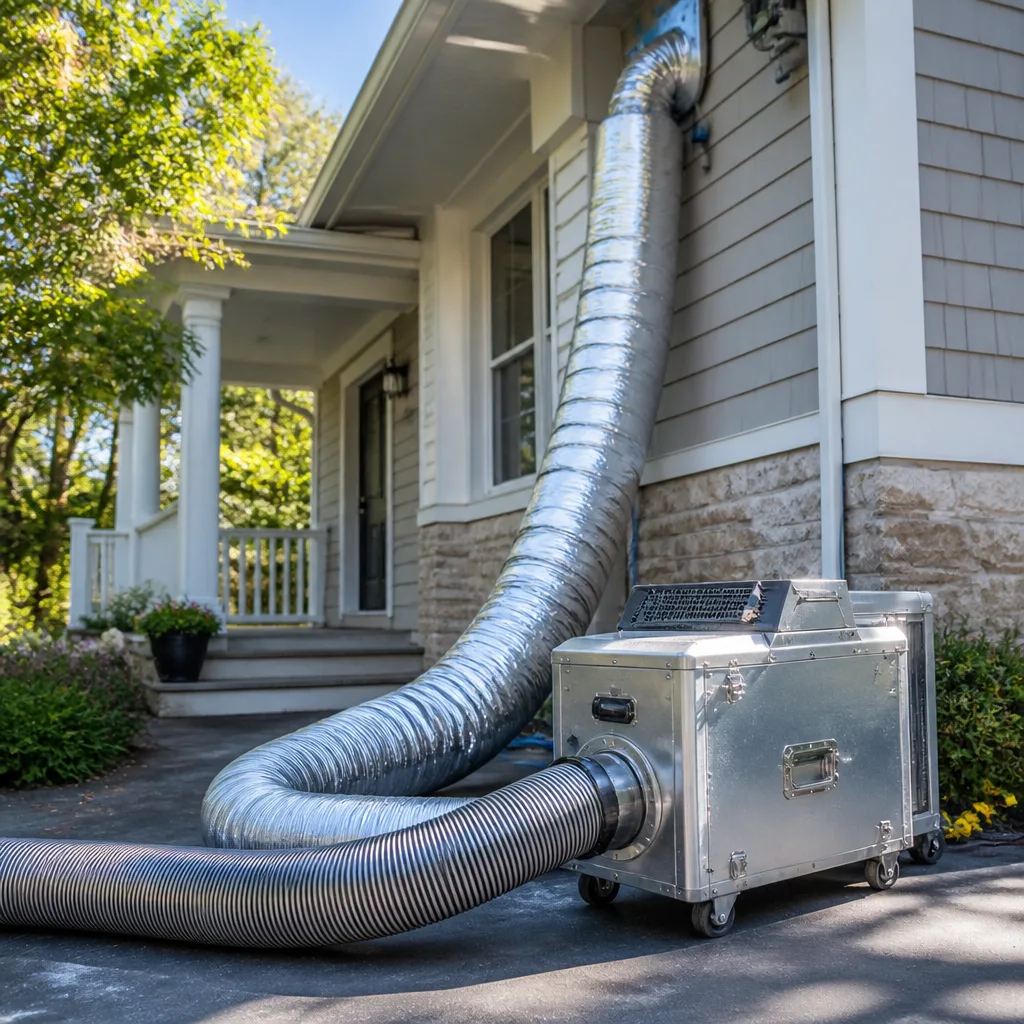 Whole-home duct cleaning
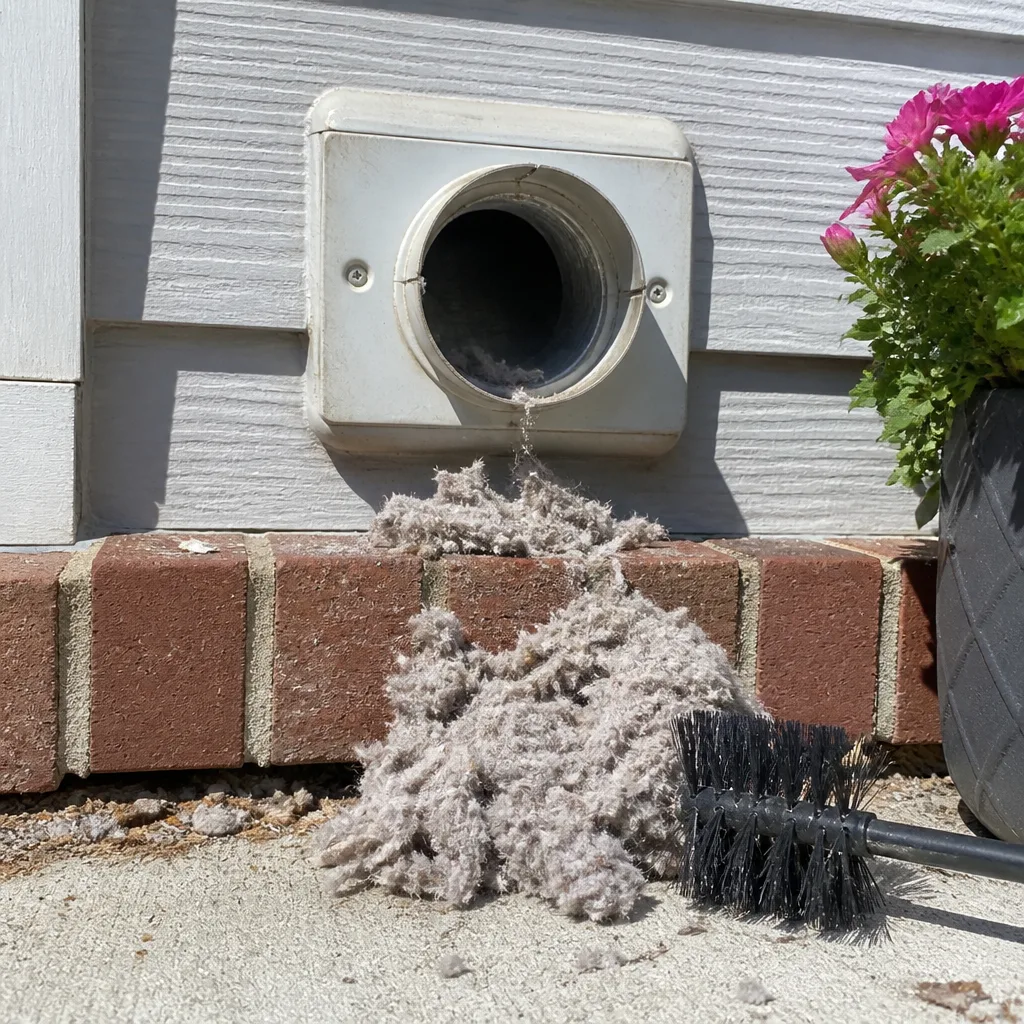 Dryer vent cleaning
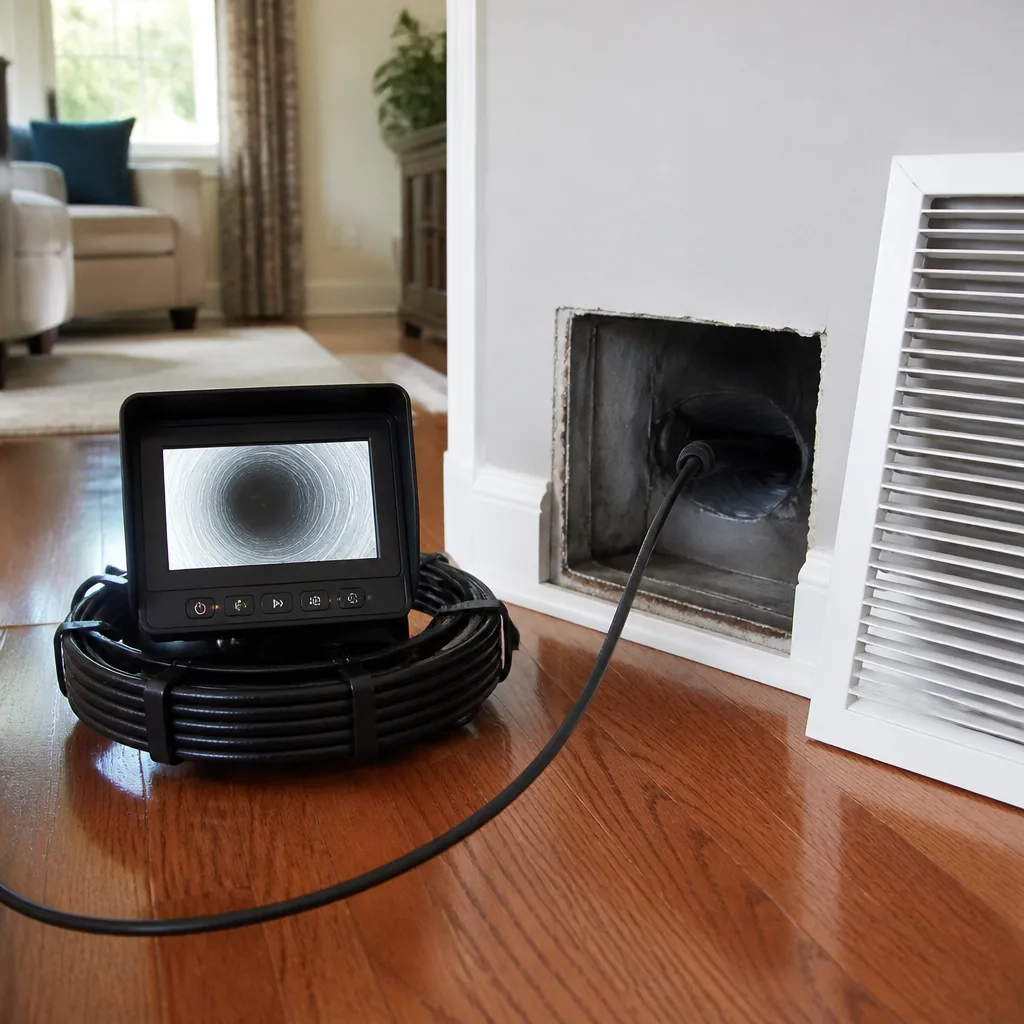 Camera inspection
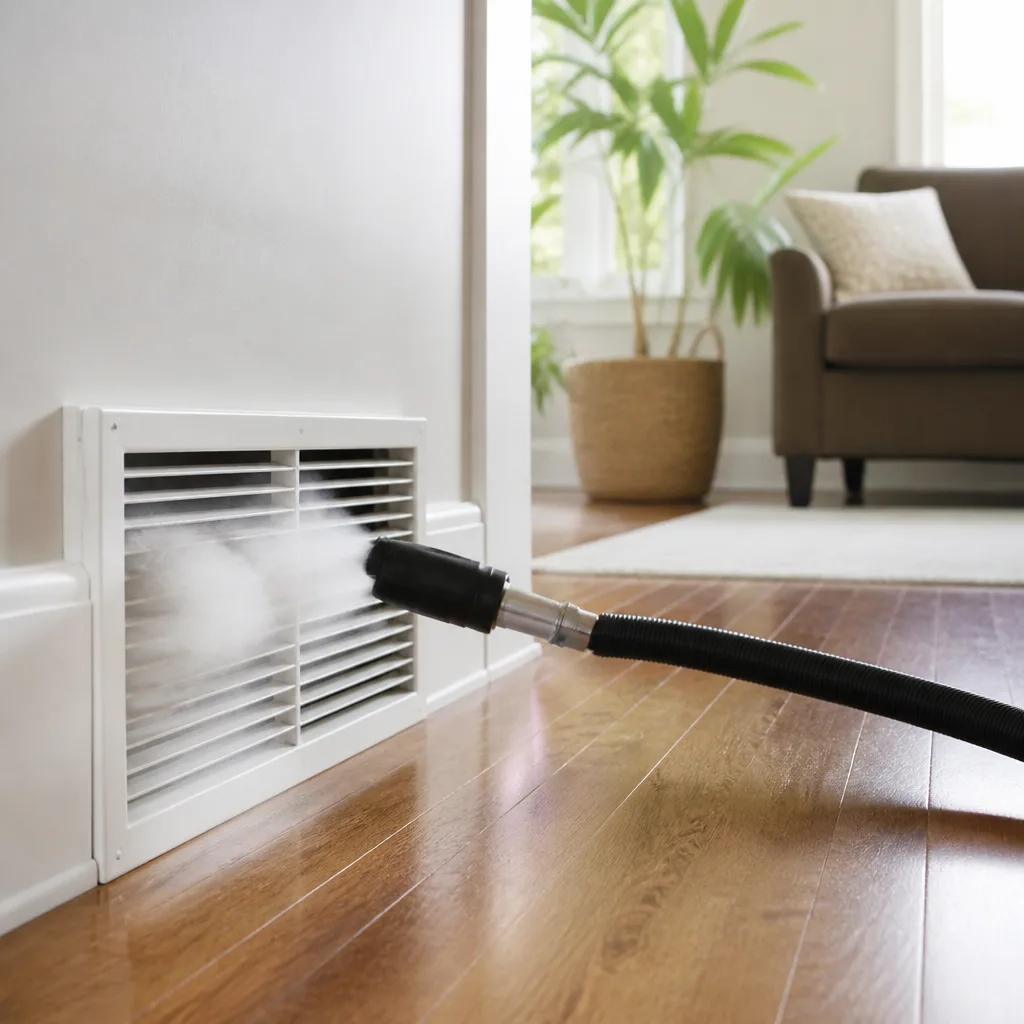 Sanitizing & deodorizing
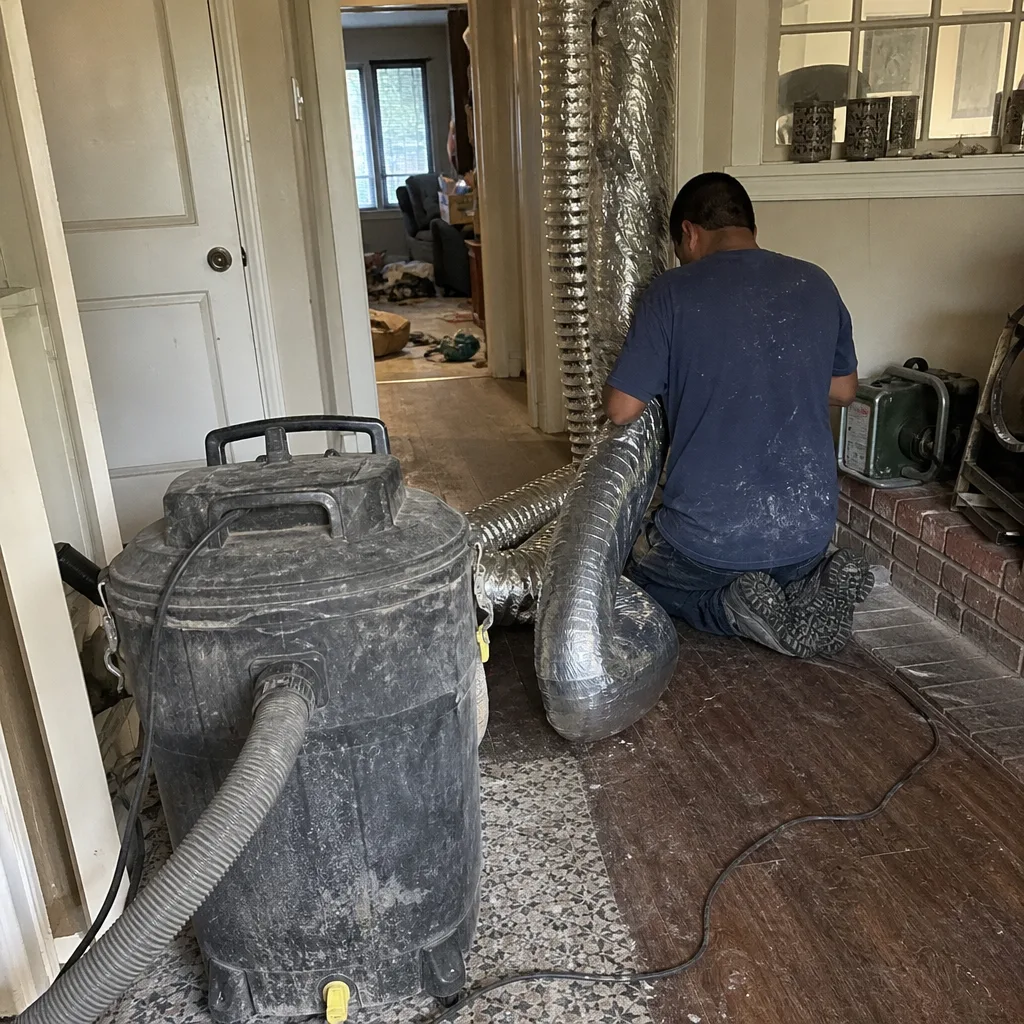
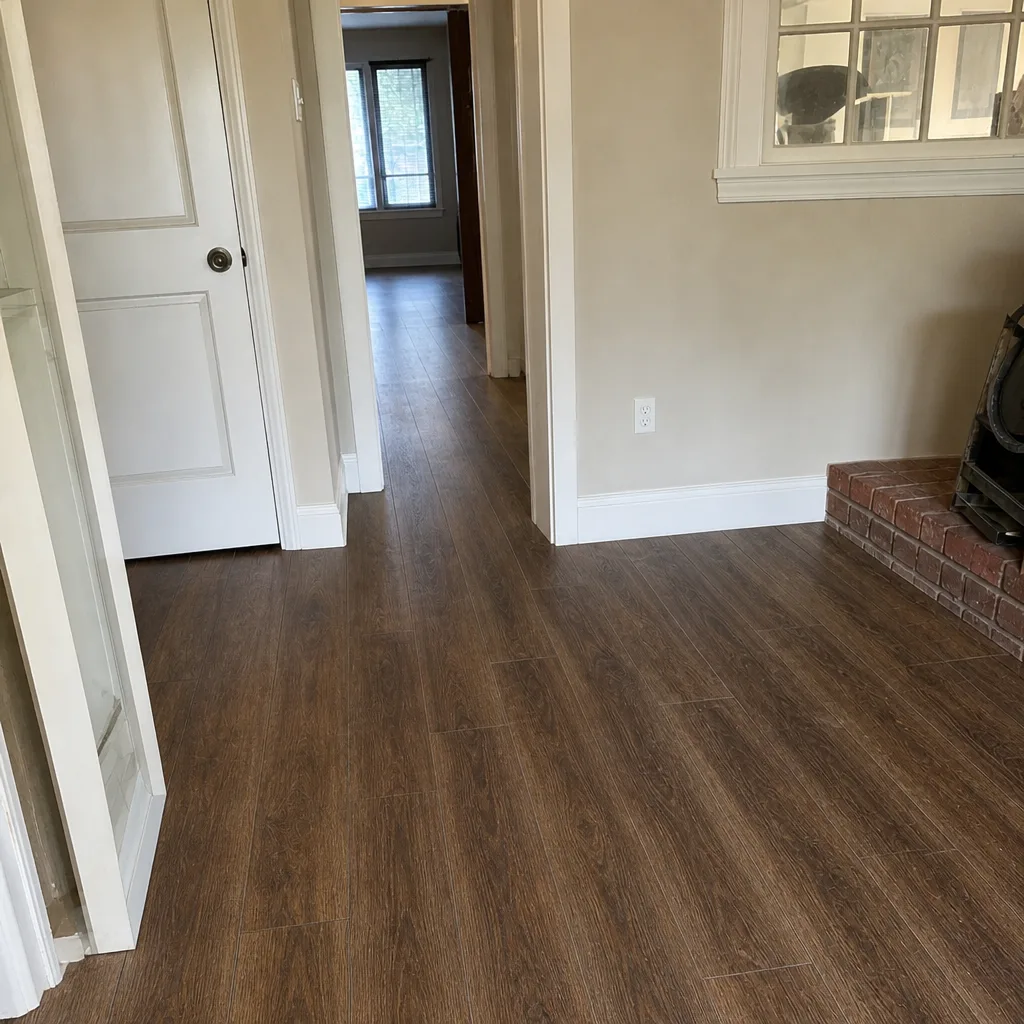
Whole-system duct and dryer vent check with before-and-after photos - you see exactly what came out of your vents
That "$99 whole-house special" is a bait ad - the real number appears once they are in your hallway, or the "clean" is a shop-vac at the register. We photograph the inside of your ducts before and after instead.
Seasonal Air Duct Cleaning Care for Conroe: Year-Round Homeowner’s Guide
The national advice you’ll find on almost every duct cleaning website – clean your ducts every three to five years – was not written for a city where the air handler runs ten months a year in high humidity. That schedule was built around a temperate average that Conroe doesn’t share. Here, the cooling season stretches from early spring into late fall, the Gulf pushes moisture inland for months at a time, and winter arrives as a series of short, sharp cold snaps rather than a steady freeze. Each of those patterns does something different inside your duct system. This guide maps them to a month-by-month calendar so you know what to check and when, instead of guessing at an interval that never fit this climate in the first place.
Quick Answer
In Conroe, air ducts should be inspected at least once a year and cleaned on a schedule driven by the cooling season, not by a fixed number of years. The highest-risk window runs from late spring, when outdoor humidity climbs before most homeowners lower their thermostat setpoints, through the fall first-heat startup, when a summer’s worth of contamination becomes visible. Homes with pets, allergy sufferers, recent storm exposure, or a duct system that has never been cleaned should be evaluated sooner rather than later.
Styles & brands we work with
- Whole-home duct cleaning
- Dryer vent cleaning
- Camera inspection
- Sanitizing & deodorizing
Table of Contents
- Why Conroe’s Climate Changes the Standard Advice
- Late Spring: The Condensation Window Most Homeowners Miss
- Summer: Peak Load and Peak Contamination
- Fall First-Heat Startup: What It Reveals About Summer
- Storm Events and Post-Flood Duct Contamination
- Winter: Short-Cycle Heating and Filter Loading
- A Month-by-Month Conroe Duct Maintenance Calendar
- What a Real Full-System Cleaning Involves
Why Conroe’s Climate Changes the Standard Advice
Most duct cleaning guidance online assumes four roughly equal seasons and a heating system that carries half the annual load. Conroe doesn’t work that way. The air conditioning side of the system does the heavy lifting for most of the year, and the heating side runs in short bursts during a handful of cold snaps. That imbalance matters because cooling coils, drain pans, and duct interiors behave very differently under continuous moisture load than they do under dry, cold operation.
Three local conditions shape what happens inside a duct system in Conroe:
- An extended cooling season. The air handler moves a large volume of air for many consecutive months. Every hour of runtime draws particulate through the return side and deposits a fraction of it on duct walls, in the blower compartment, and on the evaporator coil.
- Gulf moisture. Humid outside air finds its way into returns, attic duct runs, and crawlspace-adjacent ductwork. When cool conditioned air meets a humid surface, condensation forms, and damp duct interiors are where biological growth gets a foothold.
- Inconsistent winter cold. Conroe winters are mild overall but prone to sudden drops. The heating system may sit idle for weeks and then run hard for two or three days straight, which stresses filtration and static pressure in ways a steady cold climate doesn’t produce.
A house in Conroe can accumulate more duct contamination in two cooling seasons than a house in a drier, cooler region accumulates in five years. That’s why we treat the seasonal calendar here as a maintenance tool rather than a rough guide. If you’re starting from scratch and want the fundamentals before you build a schedule, our air duct cleaning page covers what the service actually includes. The rest of this guide builds the seasonal layer on top of it.
Late Spring: The Condensation Window Most Homeowners Miss
Late spring is the highest-risk period for condensation inside duct runs in Conroe, and it’s the period homeowners think about least. Here’s why. Outdoor humidity starts climbing well before most people drop their thermostat setpoints for summer. The system is still cycling gently, the attic is warming fast, and the temperature gap between cool duct surfaces and humid surrounding air grows by the day.
That gap is where trouble starts. Duct runs in the attic, in wall chases, and through unconditioned spaces can sweat when warm, moist air contacts them. Sweating ducts create a damp interior environment, and a damp interior environment is what allows dust and organic particulate to clump, darken, and support growth. The damage isn’t dramatic in a single day. It builds quietly over several weeks.
What to do in late spring:
- Walk the attic or crawlspace and look for condensation, water staining, or damp insulation around duct runs.
- Check that all accessible duct joints, boots, and connections are sealed; gaps invite humid air directly into the airstream.
- Confirm your filter is properly sized and seated, since a loose filter lets unfiltered humid air straight into the blower.
- If you’ve noticed musty odors, book a professional inspection rather than waiting for the smell to spread through the house.
If duct runs show deterioration – crushed sections, disconnected joints, torn flex – cleaning without repair just pushes conditioned air into the attic. That’s why we treat repair as part of the same discipline. Our team handles full-system service that includes evaluating and repairing what we find rather than masking it.
Summer: Peak Load and Peak Contamination
Summer is when the duct system in a Conroe home works hardest and when contamination accumulates fastest. The air handler runs long cycles, often from mid-morning into the evening, pulling hundreds of cubic feet of air per minute through the return side. Every one of those cycles deposits a fraction of the airborne particulate on the inside of the ducts.
What actually accumulates during a Conroe summer:
- Dust and lint on duct walls, especially in the first several feet after the return grille.
- Pollen from the spring flush that made it past the filter and settled in the system.
- Pet hair and dander in homes with animals, since these particles stay airborne longer under continuous airflow.
- Biological growth on any surface that stays damp, particularly in the blower compartment and around the evaporator coil.
The mistake we see most often is a homeowner responding to summer allergy symptoms by changing filters more frequently while ignoring the ducts themselves. A filter captures what passes through it; it does nothing about what has already settled on the duct walls over the previous nine months of runtime.
This is the season when professional contact cleaning earns its place. Instead of blowing air through the ducts and calling it clean, a Rotobrush system physically agitates the duct walls with a rotating brush while a vacuum pulls the loosened debris out of the system. The difference shows up in what comes out of the ducts and in the before-and-after photos of your own system, which we provide on every job.
Pricing for a full-system cleaning in the Conroe market typically falls in the ranges below. These are estimates, and the written estimate for your specific home sets the final price.
| Service | Typical Estimated Range |
|---|---|
| Full-system air duct cleaning, standard single-story home | $450 – $750 |
| Full-system cleaning, larger multi-zone home | $700 – $1,100 |
| Dryer vent cleaning | $150 – $275 |
| Air duct repair (per section, varies by access) | $250 – $800 |
Fall First-Heat Startup: What It Reveals About Summer
The first cold night of fall in Conroe is a diagnostic event, and most homeowners don’t realize it. When the heating system runs for the first time in weeks, it pushes air through ductwork that has just spent an entire cooling season accumulating contamination. The result is often a short burst of dust, a musty smell, or visible particulate blowing from the supply registers. That’s your system telling you what happened over the summer.
What the first-heat startup reveals:
- Visible dust discharge from supply registers means accumulation on the supply side that wasn’t obvious during cooling, when the air was cooler and drier.
- A musty or stale smell points to damp duct surfaces or growth somewhere in the system, and it’s worth taking seriously rather than airing out the house.
- Inconsistent airflow between rooms suggests a duct problem – a disconnected run, a crushed section, or a damper stuck in the wrong position.
Fall is the right time for a camera inspection for one reason: a summer’s worth of accumulation is now visible and confirmable, and you can make a decision based on what’s actually in the ducts rather than on a generic recommendation. It’s also the right time to fix anything that showed up. Deteriorated ductwork sealed in the fall holds through the winter heating season and into next summer’s cooling load. If you’d rather understand how the company operates before you book, our team writes plainly about the work on our duct cleaning in Conroe overview, and you’re welcome to read through before you call.
Storm Events and Post-Flood Duct Contamination
Storm events accelerate duct contamination in ways a normal maintenance schedule can’t predict. When tropical moisture moves through the Conroe area and brings heavy rain, wind-driven water, and flooding near crawlspaces, duct systems on the ground floor and in crawlspace-adjacent runs are at elevated risk. Even without direct water intrusion, high humidity during and after a storm can drive moisture into duct interiors through unsealed joints and returns.
After a storm event, inspect for:
- Water staining or dampness on duct insulation, boots, or connections in the crawlspace and attic.
- Musty odors that appear within a few days of the storm, which usually signal damp duct interiors.
- Visible debris in supply registers, especially in rooms nearest the return.
- Flooding or standing water near crawlspace entry points, which requires duct evaluation before the system runs again.
If water entered the duct system, running the air handler before the ducts are inspected can spread moisture and biological contamination through the entire house. This is where remediation-grade equipment changes the picture. Our technicians use Nikro professional HEPA vacuum systems and Abatement Technologies negative-air machines to contain and remove contaminated material without cross-contaminating the home. We also lay down Guardsman-grade protection on floors and surfaces before any work begins. It’s the same containment discipline used in abatement work, applied to a residential duct system that has been through a weather event.
Homes near the San Jacinto River floodplain and low-lying areas around Conroe are the ones where this inspection matters most. If you’ve seen water near a crawlspace after a storm, don’t wait for the next maintenance window.
Winter: Short-Cycle Heating and Filter Loading
Winter in Conroe is mild on average but inconsistent in practice. The heating system may sit idle for two or three weeks and then run hard through a short cold snap. That pattern has real consequences for filter loading and static pressure.
When the heat runs after a long idle period, the initial load on the filter is higher than during steady operation. Dust and particulate have had weeks to settle in the return side, and the first sustained heating cycle lifts them into the filter all at once. A filter that looked fine in November can be heavily loaded after the first week of heating in January. A loaded filter chokes airflow, and restricted airflow raises static pressure across the system, which stresses the blower and reduces comfort in the farthest rooms.
Winter maintenance actions for a Conroe home:
- Check the filter at the start of every cold snap rather than on a fixed calendar interval, since Conroe’s heating season is irregular.
- Watch for cold spots in far rooms; they often trace to a disconnected or undersized supply run rather than a furnace problem.
- Listen for unusual blower noise during startup, which can indicate the blower wheel is loaded with debris accumulated over summer.
- If the house feels drafty in a way it didn’t the year before, have the ducts inspected for leakage and deterioration.
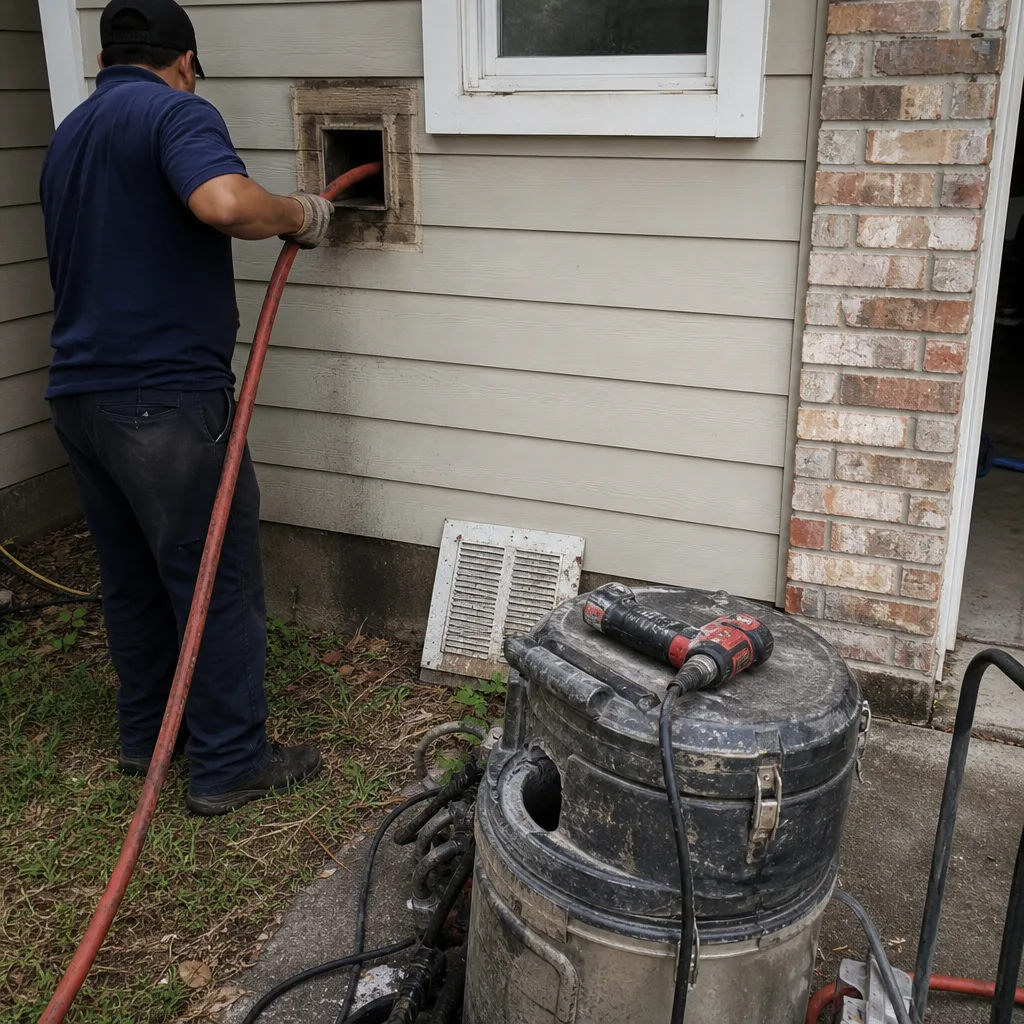
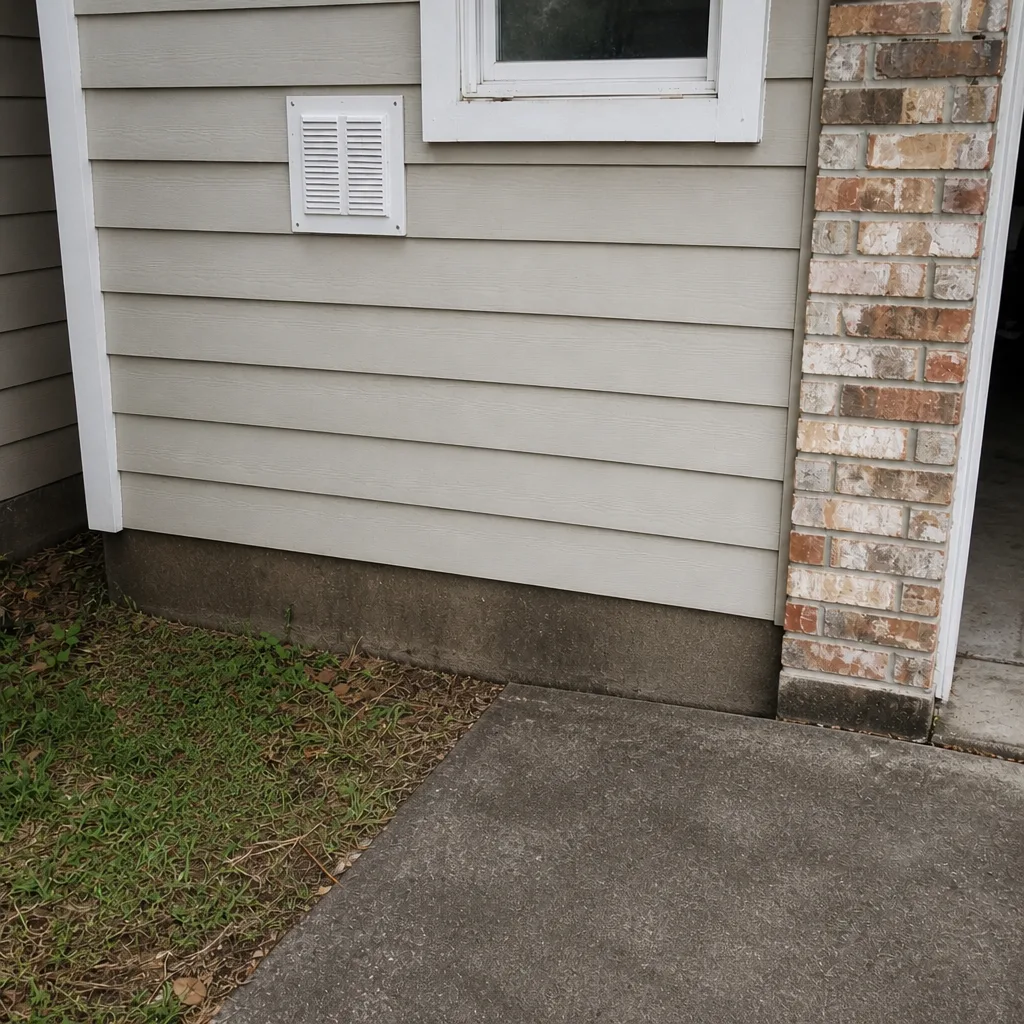
Heating season is also the right time to schedule a dryer vent cleaning. Cooler weather means closed windows, more indoor activity, and a dryer working harder on heavier loads. Dryer vents are a leading cause of residential house fires, and a vent that has never been cleaned is the single most common issue we find. A dedicated dryer vent cleaning removes the lint column and restores airflow, which protects both the appliance and the house. Most duct-only companies ignore dryer vents entirely. We treat them as their own service line because the safety stake is different.
A Month-by-Month Conroe Duct Maintenance Calendar
This calendar maps Conroe’s climate events to specific maintenance actions. It’s a reference, not a rigid schedule; the right cadence depends on pets, occupancy, allergy sensitivity, and whether the duct system has ever been professionally cleaned.
- January. Check the filter after every cold snap. Look for cold spots in farthest rooms. Book dryer vent cleaning if it hasn’t been done in the past year.
- February. Inspect accessible duct insulation in the attic for condensation or deterioration. Confirm the filter is seated fully.
- March. Spring pollen begins. Expect higher particulate load. If you have allergy sufferers or pets, this is a good month for a professional inspection.
- April. Late spring humidity starts climbing. Walk the attic and crawlspace for sweating ducts. Seal accessible joints before the cooling season peaks.
- May. Thermostat setpoints drop. Check return grilles for visible dust. If the system has never been professionally cleaned, schedule it before summer load begins.
- June. Summer load is on. Filter changes should be more frequent during heavy runtime months. Watch for musty odors.
- July. Peak cooling month. If allergy symptoms spike, contact cleaning on the ducts makes more difference than another filter change.
- August. Continue filter checks. Note any rooms with inconsistent airflow; that’s usually a duct problem, not a system problem.
- September. Storm season activity. After any heavy rain event, inspect crawlspace-adjacent duct runs for moisture.
- October. First-heat test. Run the heating system briefly and watch supply registers. Visible dust or musty smell means summer accumulation is now confirmable. Book a camera inspection.
- November. Address any deterioration found at first-heat. Repair now holds through the winter heating season and next summer’s cooling load.
- December. Heavier indoor activity, closed windows, dryer working harder. Check the filter and book dryer vent cleaning if not already done.
What we do at each step of that calendar is different because Conroe’s climate doesn’t behave like a national average, and neither does the duct system inside a Conroe home. If you’d like a schedule tuned to your house, our Conroe service page explains how we set one up.
What a Real Full-System Cleaning Involves
A thorough cleaning takes the system apart conceptually and puts it back together clean. It starts with containment: protecting surfaces with Guardsman-grade covers, positioning negative-air equipment to keep loosened debris from migrating into the house, and hooking up a HEPA vacuum source with real pulling power. From there, technicians work through each component methodically.
- Containment setup. Floors, furnishings, and work areas are protected. Negative-air machines draw the workspace under slight negative pressure so nothing escapes into occupied rooms.
- Register and grill removal. Supply and return grilles come off so each branch run can be cleaned end to end rather than just at the opening.
- Contact cleaning of every run. A Rotobrush agitation tool travels through each duct run, brushing the walls and loosening the adhered debris while the HEPA vacuum pulls it out. This is what separates a real cleaning from a “blow and go” job that just pushes air through.
- Blower and coil compartment cleaning. The blower wheel, blower housing, and evaporator coil are cleaned separately because that’s where the highest concentration of particulate collects.
- Inspection and repair. Loose joints, crushed runs, and torn flex are documented and repaired. Cleaning without repair leaves conditioned air leaking into the attic or crawlspace.
- Final photos and walkthrough. Before-and-after photos of your own ducts are provided, along with a plain explanation of what was found and what was fixed.
Equipment matters at every step. Our technicians use Rotobrush contact-cleaning systems, Nikro HEPA vacuums, and Abatement Technologies negative-air machines on residential jobs. We’re also trained on Honeywell and Aprilaire indoor air quality components, so we understand how the duct system, filtration, and air quality equipment work together rather than treating the ducts in isolation. Our technicians have up to 14 years of experience with these systems.
One flat price per system, agreed before work starts. No per-vent pricing, no surprise adds once the technician is on site. That’s the standard we hold to.
Common Mistakes to Avoid
- Following a national calendar instead of a Conroe one. A five-year cleaning interval was written for a climate with four balanced seasons. In Conroe, the cooling system works ten months a year and accumulates contamination faster than that schedule accounts for.
- Changing filters more often while ignoring the ducts. A filter captures new particulate; it does nothing about debris already adhered to duct walls. Summer allergy symptoms that persist despite new filters usually point to the ducts themselves.
- Skipping the late spring attic walk. Sweating ducts and unsealed joints in the attic are the highest-risk issue in Conroe’s humidity, and they’re visible if you look before summer load begins. Most homeowners don’t.
- Running the air handler after a storm before inspection. If water entered the system, running the blower spreads moisture and biological contamination through the whole house. Inspect first, run second.
- Accepting a “blow and go” cleaning. A system that blows air through the ducts without contact cleaning just redistributes the same debris and calls it done. Ask before booking what method will be used and whether before-and-after photos are provided.
- Cleaning when the real issue is repair. Disconnected joints, crushed runs, and torn flex don’t get fixed by a cleaning. If you’re not sure whether your ducts need repair, ask for an inspection that includes it.
- Ignoring the dryer vent. Most duct-only companies treat dryer vents as out of scope, but lint accumulation in a dryer vent is a leading cause of residential house fires. Book it as its own service rather than assuming it’s part of a duct cleaning.
See the difference
 Before
 After
 Before
 After
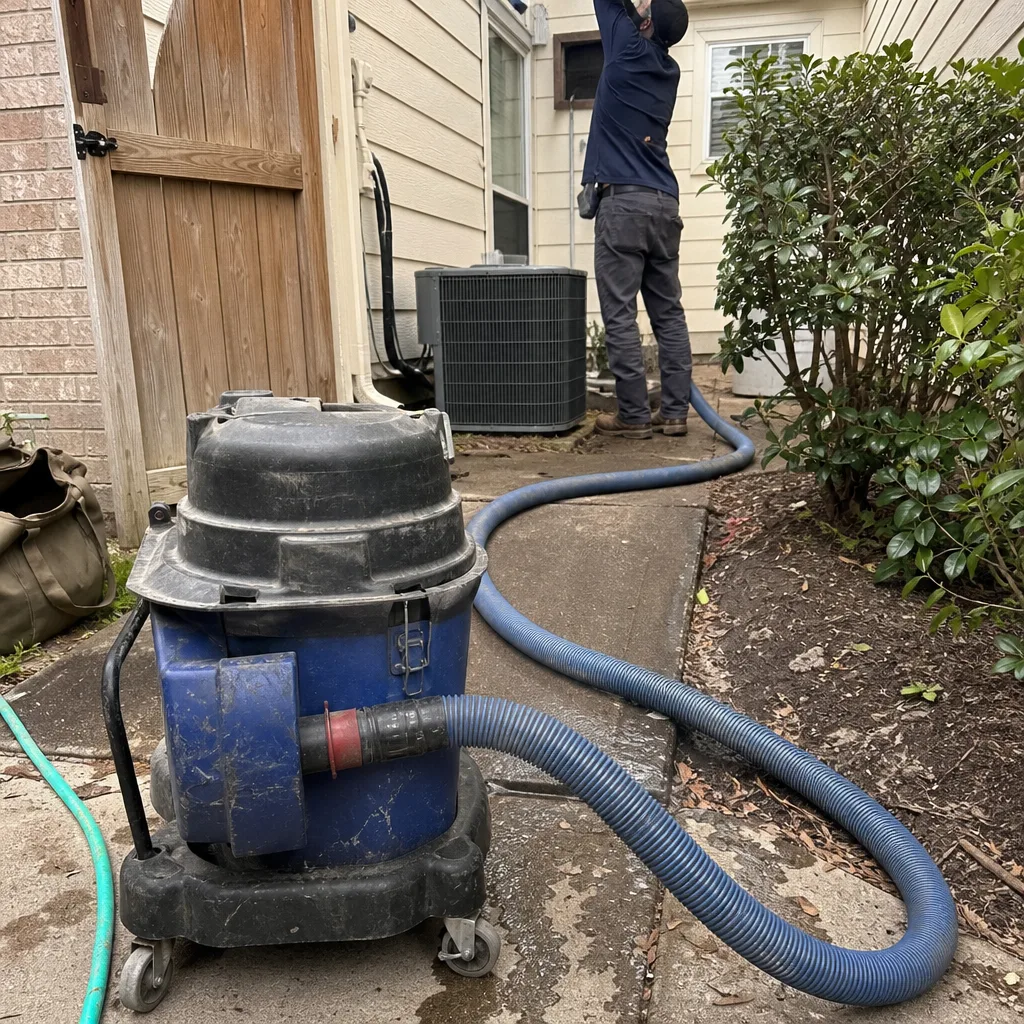 Before
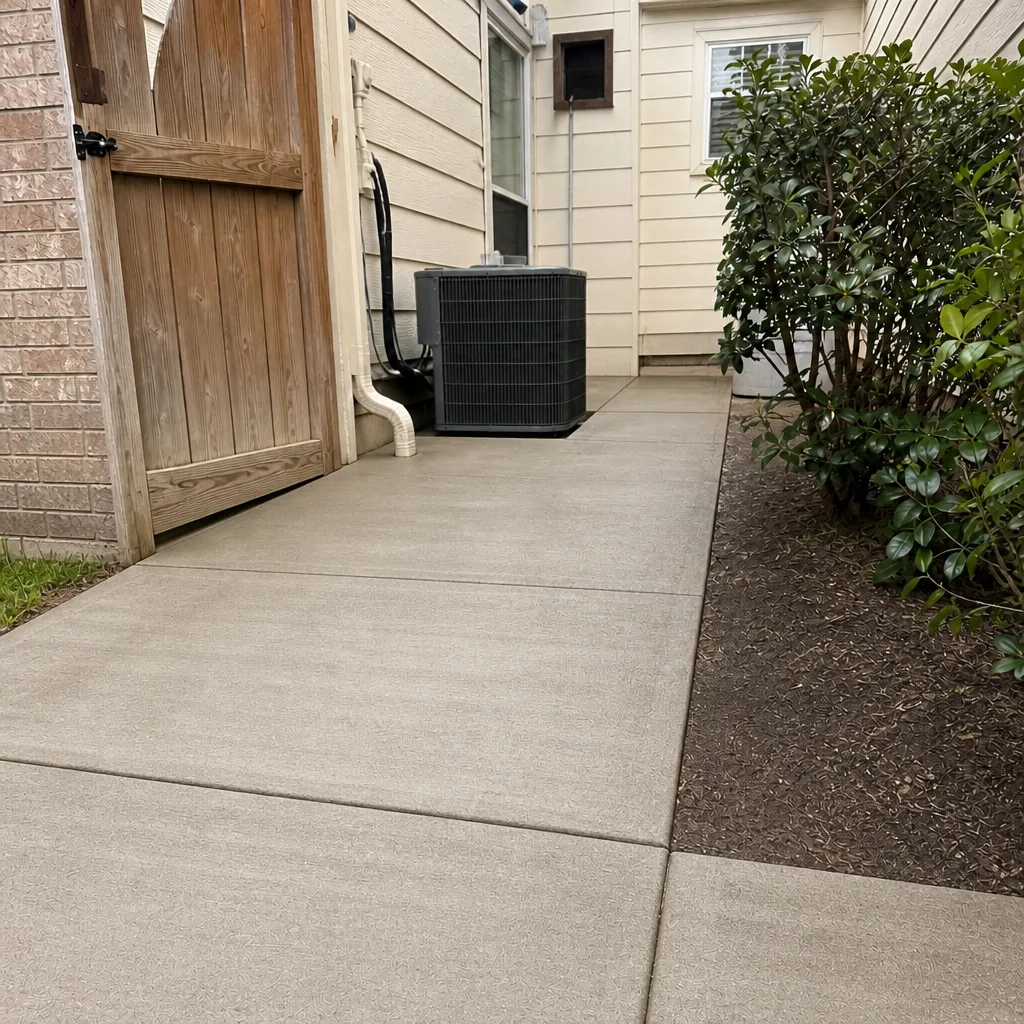 After
When to Call a Professional
Call a professional if your duct system has never been cleaned, if allergy-like symptoms worsen indoors and ease outdoors, if you notice musty odors coming from the vents, or if you’ve had a storm event push water near a crawlspace. Book a service also if your system runs unevenly between rooms, if your filter loads faster than expected, or if it’s been more than two or three cooling seasons since the last cleaning – Conroe’s runtime makes that interval shorter than the national average. Duct Cleaning Conroe offers free estimates in Conroe – call (844) 761-5350. We answer 24/7. Fast dispatch from 7am to 7pm, Sunday through Friday.
Frequently Asked Questions
In Conroe, most homes benefit from an inspection every year and a full cleaning every two to three cooling seasons. The longer cooling season and Gulf humidity mean the national five-year guidance is too long for most local homes, particularly those with pets, allergy sufferers, or never-cleaned ducts. Call (844) 761-5350 for a free assessment of your specific system.
Typical estimated ranges for full-system cleaning in the Conroe market run from $450 to $750 for a standard single-story home and $700 to $1,100 for larger multi-zone homes, with dryer vent cleaning typically $150 to $275 and duct repair $250 to $800 per section depending on access. The written estimate for your home sets the final price. Call (844) 761-5350 for a free estimate.
Cheap quotes usually reflect a “blow and go” approach that pushes air through the ducts without contact cleaning, or a per-vent teaser price that becomes a much larger invoice once the technician is on site. Our pricing is one flat price per system, agreed before work starts, so there’s no bait-and-switch. Call (844) 761-5350 for an exact quote based on your home.
Before-and-after photos of your own ducts confirm what came out and what the system looks like afterward. We provide those photos on every job, along with a walkthrough of what was found and what was repaired. If a contractor can’t offer photos, that’s worth asking about. Call (844) 761-5350 with any questions before booking.
We repair damaged ductwork in the same visit as cleaning. Disconnected joints, crushed sections, and torn flex get documented and repaired so a thorough cleaning isn’t undermined by leaks pushing conditioned air into the attic or crawlspace. Cleaning without repair just masks a problem. Call (844) 761-5350 to arrange an inspection.
Dryer vent cleaning is a separate safety service and worth treating as its own line item. Lint accumulation in a dryer vent is a leading cause of residential house fires, and a vent that’s never been cleaned is the most common issue we find in Conroe homes. Book it alongside your duct cleaning or as a standalone job. Call (844) 761-5350 for a quote.
The Bottom Line
Conroe’s climate works the duct system harder than the national average and for more months of the year. Late spring’s humidity climb, summer’s steady cooling load, fall’s first-heat reveal, storm-season moisture, and winter’s short-cycle heating each leave their own signature inside the ducts. A fixed multi-year interval doesn’t account for any of that. Build a maintenance calendar around the local climate instead, inspect at the seasonal transition points, check the filter more often than the box recommends, and take dryer vent cleaning seriously. If you notice musty odors, uneven airflow, or storm-driven moisture, book a professional inspection rather than waiting for the scheduled window.
Duct Cleaning Conroe handles air duct cleaning, dryer vent cleaning, and air duct repair with Rotobrush contact-cleaning systems, Nikro HEPA vacuum equipment, Abatement Technologies negative-air containment, and Guardsman surface protection. One flat price per system, agreed before work starts, and before-and-after photos of your own ducts so you know the work was done. Call (844) 761-5350 for a free estimate. We answer 24/7. Fast dispatch from 7am to 7pm, Sunday through Friday.
Written by the team at Duct Cleaning Conroe.