
Last updated November 15, 2026
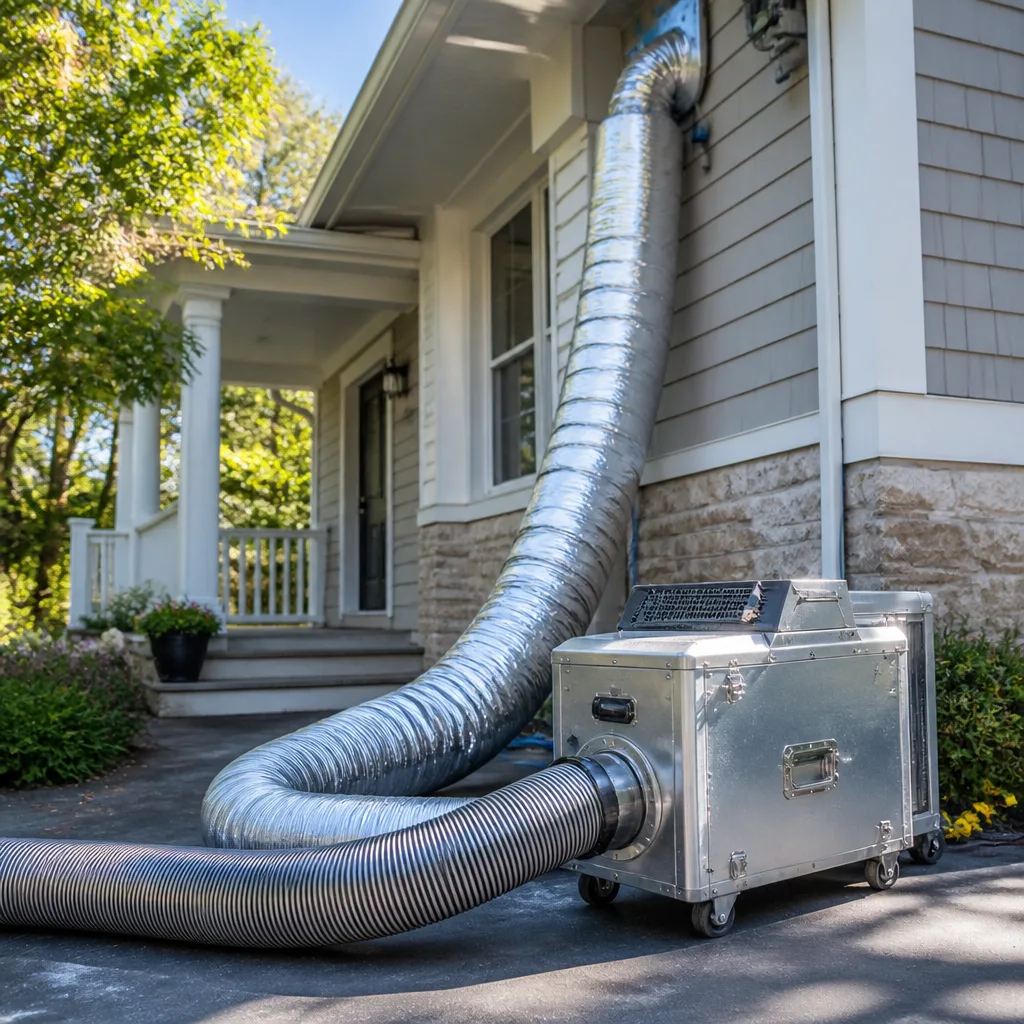 Whole-home duct cleaning
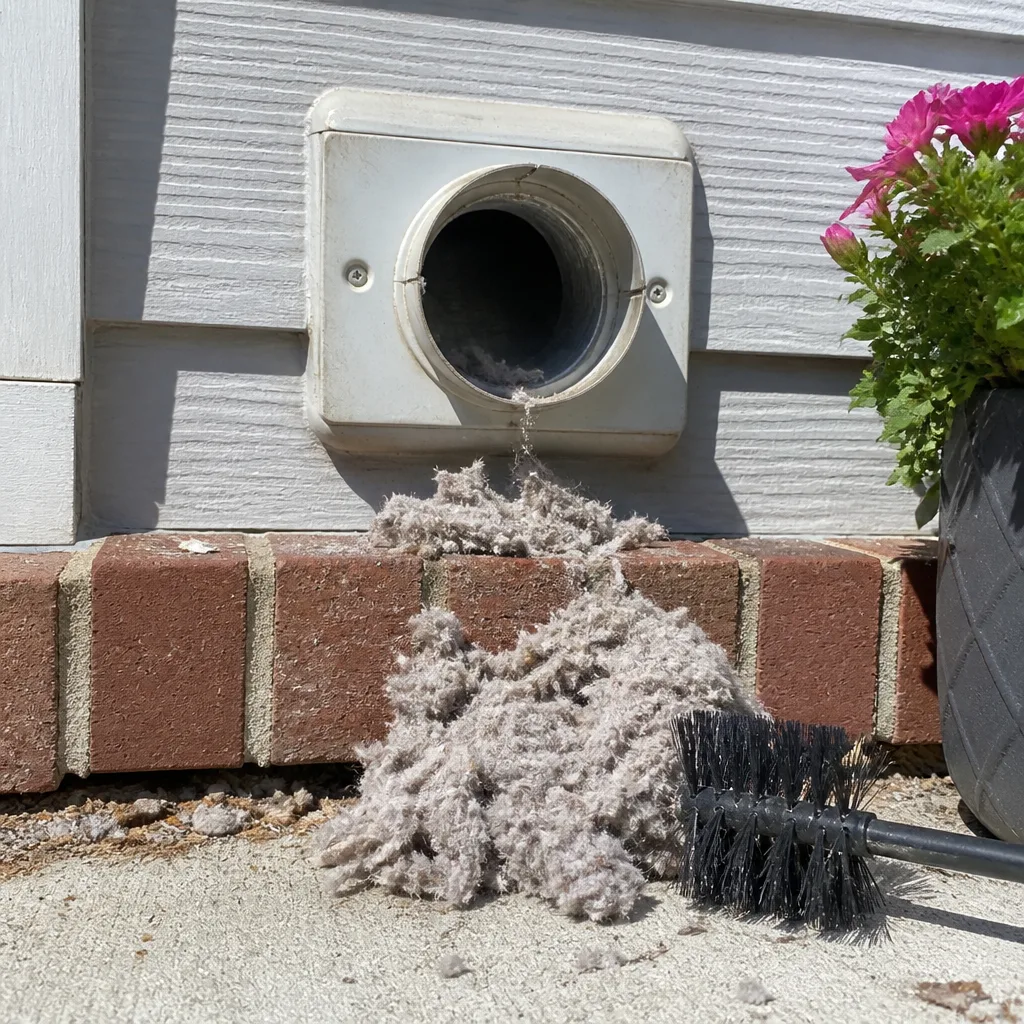 Dryer vent cleaning
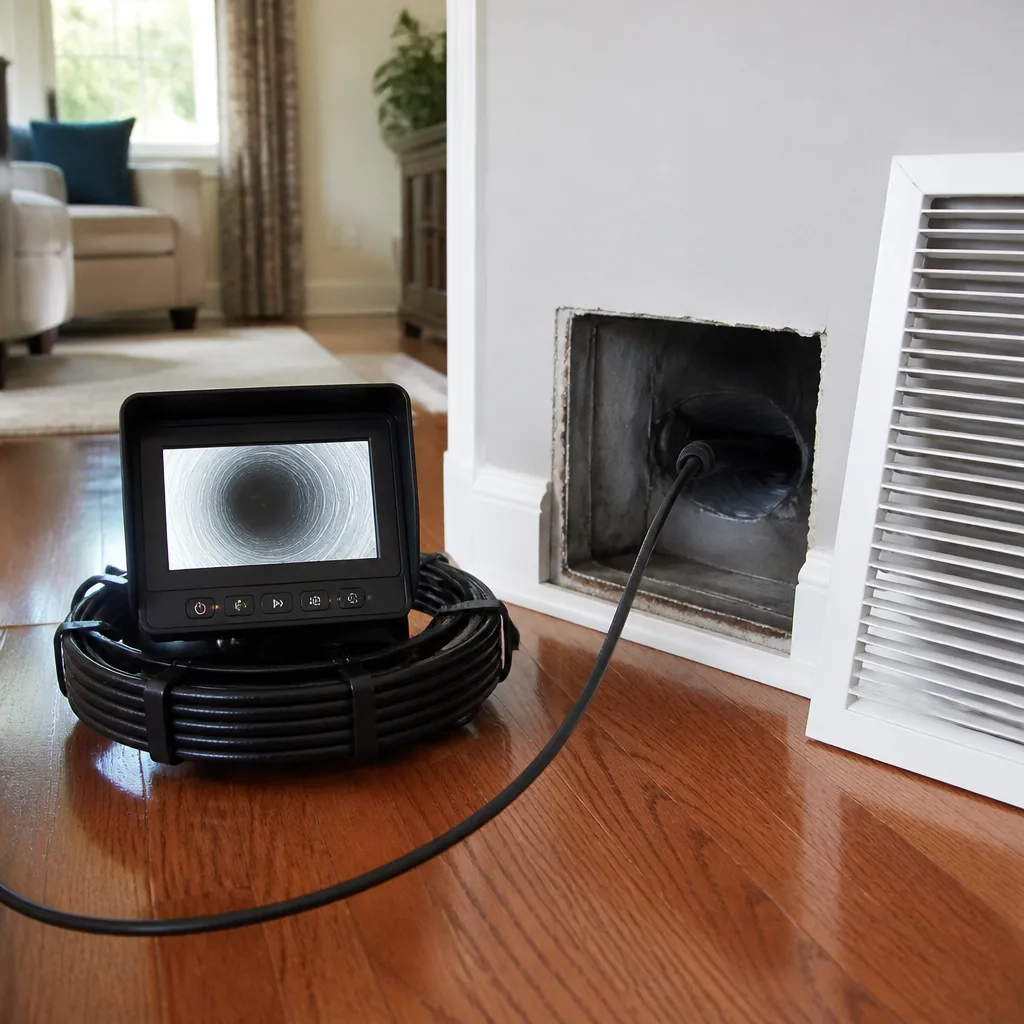 Camera inspection
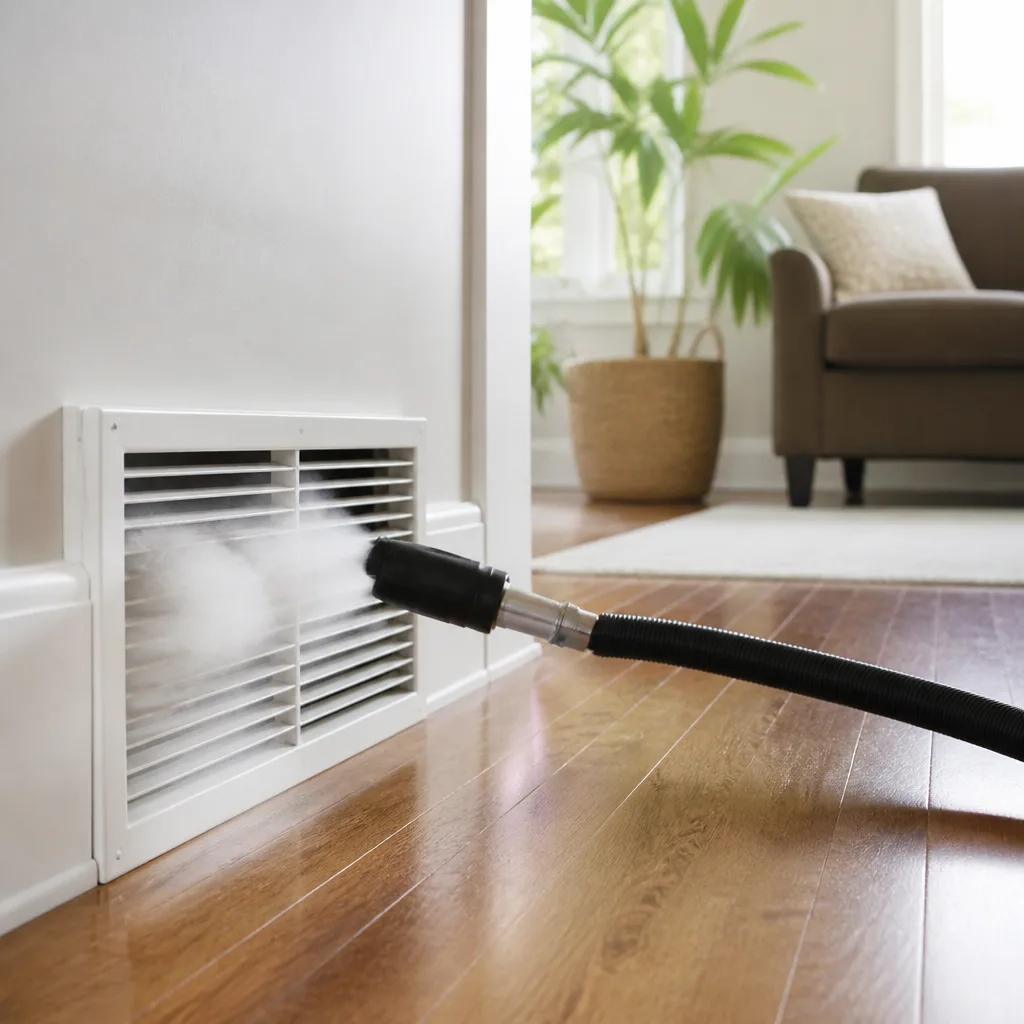 Sanitizing & deodorizing
Whole-system duct and dryer vent check with before-and-after photos - you see exactly what came out of your vents
That "$99 whole-house special" is a bait ad - the real number appears once they are in your hallway, or the "clean" is a shop-vac at the register. We photograph the inside of your ducts before and after instead.
Air Duct Cleaning Troubleshooting in Conroe: Common Problems and How to Fix Them
If your allergist and your HVAC tech have both shrugged at the same problem, the duct system is the missing variable neither one checked. That sounds like an overstatement until you sit with it for a minute. Allergy testing tells you what’s in the air you breathe, not where it entered the room. An HVAC tune-up confirms the equipment runs to spec, not that the air it conditions ever reaches the right registers. Two specialists, two clean bill of health, one problem that keeps getting worse. What most Conroe homeowners never get is a proper diagnosis of the network in between: the ducts themselves. This guide teaches you to read the symptoms correctly, separate contamination from leakage from crushed flex runs, and know which problems a cleaning solves and which demand repair.
Quick Answer
Most duct problems in Conroe fall into one of four categories: contamination (dust, microbial growth, renovation debris), leakage at joints and boots, collapsed or disconnected flex duct, or physical blockage. A noticeable pressure difference between supply and return registers usually points to a restriction or a leak, not simple dirt. Cleaning fixes contamination. It does not fix crushed duct runs, loose joints, or water-damaged liner, which is why a full-system scope that includes inspection and repair matters more than a lower cleaning quote.
Styles & brands we work with
- Whole-home duct cleaning
- Dryer vent cleaning
- Camera inspection
- Sanitizing & deodorizing
Table of Contents
- Symptom-to-Cause Mapping: Read the Sign Before You Diagnose
- How to Do a Basic Pressure and Airflow Self-Check at Your Registers
- Post-Renovation Duct Problems in Conroe Are Not Routine Buildup
- Conroe Humidity and the Three Duct Failure Modes It Creates
- When Cleaning Won’t Fix It: The Threshold Where You Need Repair
- What to Ask Before You Book Any Duct Service
- Common Mistakes to Avoid
- When to Call a Professional
Symptom-to-Cause Mapping: Read the Sign Before You Diagnose
The single biggest mistake in duct troubleshooting is treating every symptom as contamination. Dust and microbial growth get the attention, but a collapsed flex run, a breached attic joint, or a blocked branch can produce symptoms that look identical to a dirty system. If you diagnose wrong, you buy the wrong fix and the problem stays. In our experience running full-system inspections in Conroe, the split between “needs cleaning” and “needs repair” is closer to even than most people expect.
The four failure categories
- Contamination: accumulated dust, dander, and debris bonded to duct walls, or microbial growth fed by moisture. Noticeable through visible dust on supply registers and in return grilles, musty smell when the system starts, and particle levels in rooms that don’t track with how often you clean.
- Leakage: cracks, gaps, or disconnected joints pulling attic air and insulation fibers into the airstream, or dumping conditioned air into conditioned spaces. Noticeable through hot or cold spots, uneven room performance, and higher energy bills with no mechanical cause.
- Collapsed or crushed flex duct: genuine blockage, not a joint problem. Common in attic runs that got stepped on or crushed during other work, or that sag under their own weight over years. Noticeable as one room or one branch that never gets airflow no matter what you do at the thermostat.
- Blockage: foreign objects or an obstruction inside the run – debris from renovation, a damper stuck shut, or, in the worst cases, a dislodged piece of liner. Noticeable as a whistling sound, a register with almost no airflow while its neighbors roar, or a return that seems to pull nothing.
Why they’re not interchangeable matters. Cleaning a soiled system is one job. Cleaning a system with a crushed branch does nothing for the air-starved room; the crushed branch needs repair or section replacement before that room can breathe. Leakage has the same problem in reverse: a perfectly clean system with loose attic joints will keep pulling attic air and insulation into the airstream, and pulling attic contaminants in through leaks is worse than the dust you were worried about.
If you notice symptoms pointing at only one category, the diagnosis is fairly straightforward. When two or more show up together (which is common in Conroe homes on second or third decade of ductwork), that’s the signal to get a full-system look before booking any service. A proper air duct cleaning inspection separates the four before any tool comes out.
How to Do a Basic Pressure and Airflow Self-Check at Your Registers
You can do a meaningful first-pass check on your own system in about fifteen minutes with nothing more than your hand and a strip of tissue. The point isn’t to diagnose exactly. It’s to know which questions to ask when you call. If you skip this step, you’ll describe symptoms in ways that don’t help the technician – “the airflow feels weak” doesn’t say whether you’re dealing with a leak, a blockage, or just a dirty system.
Step-by-step register check
- Turn the system on and let it reach steady state. Set to cool or heat as normal and give it five to ten minutes. Diagnostics on a system still ramping up don’t mean anything.
- Walk every supply register and hold your palm near the face. Note which registers push air hard, which feel soft, and which feel almost dead. Compare registers in the same room first – a strong one and a dead one in the same room almost always means a branch problem, not a system-wide issue.
- Test the return grilles the same way. A properly balanced system pulls noticeably at returns. If the return feels barely moving while supplies roar, you have a restriction or a leak. If the return is strong and supplies are weak, the problem is downstream of the air handler, not upstream.
- Use a tissue at the return. Hold a strip of tissue near the grille. It should pull firmly toward the return. Flutter or a weak pull means low return pressure, which starves the entire system of air and mimics a duct cleaning problem even when the ducts are clean.
- Listen while the system runs. Whistling at a supply register means excessive static pressure at that register, usually a crushed or undersized branch. Rattling often points to loose duct interior. A whine at the air handler can be a blower setting, not a duct issue.
- Walk the attic if you can safely get there. Look at flex runs above the ceiling line. Look for crushed sleeves, obvious disconnections at boots, and stains on insulation that suggest condensation or leakage. Note what you see; don’t move anything.
The pressure difference between supply and return is the most useful piece of information to bring to a conversation. In a balanced system, the air coming out of supplies roughly equals the air pulled into returns. When supply flow feels noticeably weaker than return pull, that gap is where a restriction or leak lives. When the return pull itself is weak, the system is starved of air and every downstream symptom gets murkier – weak airflow, higher static pressure, noisier blower, and reduced performance across all rooms.
Notice a pressure drop that doesn’t line up with any mechanical explanation? That’s the moment to bring in an inspection. Here in Conroe, the gap between “dirty ducts” and “leaking ducts” is exactly the kind of thing our technicians check before recommending any service, using a Nikro HEPA vacuum and pressure readings rather than a visual scan alone.
Post-Renovation Duct Problems in Conroe Are Not Routine Buildup
Duct contamination after a renovation is a fundamentally different problem than the dust and dander that builds up over years of normal living. Drywall dust, joint compound particles, and sawdust behave completely differently inside a duct system than ordinary household dust. They don’t stick to walls the way lint and skin cells do. They float. They settle only briefly. And every time the system cycles back on, they get picked back up and redistributed through the entire house – including into the ducts and registers you thought were already clean.
The reason matters for how you treat it. Drywall dust is extremely fine, alkaline, and abrasive. It doesn’t just look bad – it can damage a blower motor over time, and it also bonds to duct surfaces when combined with moisture (more on Conroe humidity below). Ordinary household dust has larger, heavier particles that drop out of the airstream. Gypsum particles are small enough to stay airborne for hours and slip through a standard filter. That’s why post-renovation duct problems in Conroe show up across the whole house, not just in the rooms under construction.
Why blow-and-go can’t fix renovation debris
Brush-only or air-only cleaning services work by unsettling buildup and pushing it through. That approach was never designed for renovation debris. Pushing air through a system contaminated with fine gypsum dust does exactly two things: it re-suspends dust that then settles all over again, and it can leave deposits deeper into the system than they started. We’ve opened supply boots after a blow-only service and found the walls still coated.
What actually works on renovation debris is negative-pressure extraction with contact cleaning. Negative pressure means the collection equipment creates a low-pressure zone at the duct system so every particle loosened by agitation travels toward the extraction point rather than into the home. Contact cleaning means the tool physically agitates the duct wall with a rotating brush while the extraction system pulls material into a HEPA vacuum. Our technicians use a Rotobrush contact-cleaning system paired with Nikro HEPA extraction and Abatement Technologies negative-air equipment to do this. Those are the same tools used in mold and hazardous-material abatement, which is why they handle gypsum dust without re-releasing it into the room.
If your Conroe home just finished a renovation, wait for the dust to settle visually (a few days), change your HVAC filter, then book an inspection before living with the system. Renovation dust in ductwork is not a someday problem. It affects the air you breathe starting the first day you turn the system on.
Conroe Humidity and the Three Duct Failure Modes It Creates
Conroe runs humid for much of the year, and that humidity is a diagnostic clue. Duct problems in a humid climate are not the same as duct problems in a dry one. Three specific failure modes appear here over and over, and each has a distinct signature.
1. Microbial growth at supply boots
Supply boots are the metal or plastic transitions where the duct connects to the register. Cool supply air moving through a warm, humid attic creates condensation on cold surfaces – the boot itself, the nearby sheet metal, the first foot of flex duct. That condensation feeds microbial growth right where conditioned air exits into the room. The signature: dark staining or a musty smell concentrated at specific supply registers, especially ones near exterior walls or the attic hatch. A general duct cleaning helps, but the growth at the boot itself needs direct treatment, and the underlying condensation problem needs diagnosis or it will come back within one humid season.
2. Liner delamination in attic runs
Flex duct is insulated with an inner liner that separates the airstream from the surrounding insulation. In Conroe’s attic heat and humidity, that liner takes a beating. When it delaminates (peels away from the duct wall), it does two things at once: it collapses into the airway, creating a partial blockage, and it exposes fiberglass insulation to the airstream. You can’t fix that with cleaning. Delaminated duct requires section replacement – the affected run gets cut out and rebuilt. This is the failure most often misread as “just dirty” until someone inspects and finds the liner hanging in the airflow.
3. Condensation-driven debris bonding
Dust that’s caught in a dry duct is loose. Dust that cycles through wet-dry cycles (typical in a Conroe attic) bonds to the duct wall. Once it bonds, agitation alone may not release it, and brushing without proper extraction can abrade the surface without removing the deposit. Contact cleaning with heat or moisture-aware technique matters here. Our technicians have up to 14 years of experience reading these patterns in Conroe homes and adjust the approach to the humidity signature, not a one-size-fits-all routine.
These three modes connect to a bigger point. In a humid climate, a duct system is more than a tube. It’s a moisture-managed envelope, and every break in the envelope – delaminated liner, unsealed boot, disconnected joint – becomes a place where moisture and contaminants collect. Repair matters more in Conroe than in places where the attic stays dry.
When Cleaning Won’t Fix It: The Threshold Where You Need Repair
Not every duct problem is a cleaning problem. Some are true repair problems, and pushing another cleaning cycle at them wastes money and leaves the underlying issue in place. Here’s the threshold we use, stated plainly so you can apply it yourself before calling.
Cleaning is the right answer when:
- The duct system is intact – joints visible and connected, flex runs full-round and springy, no visible torn liner.
- The symptom is contamination, not airflow. Dust, dander, musty smell, visible buildup on register faces.
- Register airflow is roughly even room to room. Some rooms naturally run warmer or cooler in Conroe homes, but there’s no dead branch.
- There’s been a renovation and you need the debris extracted before it settles permanently.
Repair is the right answer when:
- One room or branch consistently underperforms while its neighbors are strong (crushed branch, blockage, or a boot transition failure).
- You can see delaminated liner inside a flex run, or the run has lost its full-round shape.
- Attic joints are open, disconnected, or visibly leaking. Sealing the leak is the first fix, not cleaning.
- There’s water staining on duct insulation near a boot or attic run, meaning moisture is entering through a breach.
- The system has already been cleaned once and the symptom returned within the same season. That’s the clearest signal that cleaning was treating a symptom of a repair problem.
This is exactly why duct cleaning and duct repair belong in the same scope. Our company handles both. Cleaning a system with a crushed branch masks the problem, but the crushed branch is what’s costing airflow and money. Fixing the branch first, then cleaning, gets the system right in one visit instead of two cycles of partial relief. We repair what we find, because leaving a known failure behind is how a duct cleaning turns into a repeat call six months later.
What to Ask Before You Book Any Duct Service
The duct cleaning industry has a bait-and-switch problem, and questions are the defense. A low teaser quote that doubles or triples once the technician is on site is common, and so is a “cleaning” that can’t demonstrate what it actually removed. Here’s what to ask, in order, and what a straight answer looks like.
- “What equipment do you use to extract debris?” A real answer names the extraction equipment: a HEPA vacuum system, contact cleaning tools, negative-pressure machines. A weak answer is “brush and shop vac” or “our special machine.”
- “Do you inspect the system before quoting, and do you quote the whole system or per vent?” Per-vent pricing is where bait-and-switch lives. Whole-system pricing means one price agreed before work starts, covering however many registers, plenums, and returns the system actually has.
- “Will you show me before-and-after photos of my own ducts?” If they can’t, they can’t prove the work happened. Photos of your own system, from your own house, before and after cleaning.
- “Will you check for leaks and liner damage, or just clean?” If the answer is “just clean,” you’re paying for a partial service on a system that may not be cleanable until repairs are done.
- “How will you protect the interior of my home during the job?” Good duct service involves surface protection under every work area, and professional-grade equipment creates negative pressure to keep debris out of the living space.
For comparison purposes, if a quote is dramatically lower than every other quote, ask which of the five questions above they can’t answer. Usually the answer is most of them.
The same discipline applies to dryer vent cleaning, which most duct companies don’t offer because it’s a separate job with a separate tool and a separate safety stake. Dryer vents are a fire risk, and a lint-clogged vent is one of the most common causes of residential fires. A proper dryer vent service runs a dedicated brush and vacuum through the full vent run, not just the visible lint trap, and confirms the run is clear from the dryer to the exterior wall.
If you’re not sure which service your Conroe home needs, start with the Duct Cleaning Conroe service page and ask us to inspect and report before booking anything.
Common Mistakes to Avoid
- Assuming every symptom is contamination. Weak airflow in one room, whistling registers, or a return that feels dead usually means a leak, a crushed branch, or a blockage – not a dirty system. Cleaning those symptoms away is not possible. Diagnosing them first saves a cleaning cycle you don’t need.
- Booking a blow-and-go service after renovation. Drywall dust re-suspends. A brush-only or air-only service makes the problem worse by spreading fine gypsum particles through the whole system. Post-renovation cleanup needs negative-pressure extraction, not agitation alone.
- Ignoring the attic inspection. In Conroe’s humid climate, the failures that matter most – delaminated liner, wet insulation, disconnected joints – live in the attic where you can’t see them from a register. Ask whether the service includes an attic walk-through or only interior register work.
- Accepting per-vent pricing. A per-vent price is a quote for how many vents someone counts, not for how much work the system needs. Whole-system pricing with a written estimate before any work starts is the only way to know what you’re paying.
- Trusting a low coupon quote without asking what it excludes. The gap between the advertised price and the real invoice is the industry’s biggest credibility problem. Ask for one flat price per system and confirm it includes returns, plenums, and main trunk lines – not just visible registers.
- Skipping dryer vent service because you clean the lint trap. The lint trap catches a fraction of the lint. The rest travels into the vent run, and a restricted dryer vent means the dryer runs hotter and works harder every cycle. It’s a fire risk most duct-only companies ignore.
- Waiting until a second symptom shows up. Two symptoms together usually means two failures – often a leak plus contamination, or a moisture problem plus liner damage. Waiting turns one problem into a repair estimate instead of a cleaning.
When to Call a Professional
Call a professional when the symptoms point at a repair problem, when a renovation has just finished, or when you can’t distinguish between those two. That covers most cases after a first round of self-troubleshooting. Specific scenarios that warrant a call: a room that never gets airflow while others are fine, whistling at a specific register, a return that feels weak, visible delamination in an attic run, a musty smell that starts when the system cycles on, water staining near a boot, or a system that was cleaned within the last year and the symptom has come back.
Dryer vent problems deserve their own call. Restricted dryer vents are a fire risk, and a dryer that takes noticeably longer to dry clothes is the clearest early signal. Don’t treat that as routine.
Duct Cleaning Conroe offers free estimates in Conroe. Call (844) 761-5350. We answer 24/7. Fast dispatch from 7am to 7pm, Sunday through Friday. You’ll get a written estimate per system before any work begins, and before-and-after photos of your own ducts so you can see exactly what was removed.
See the difference
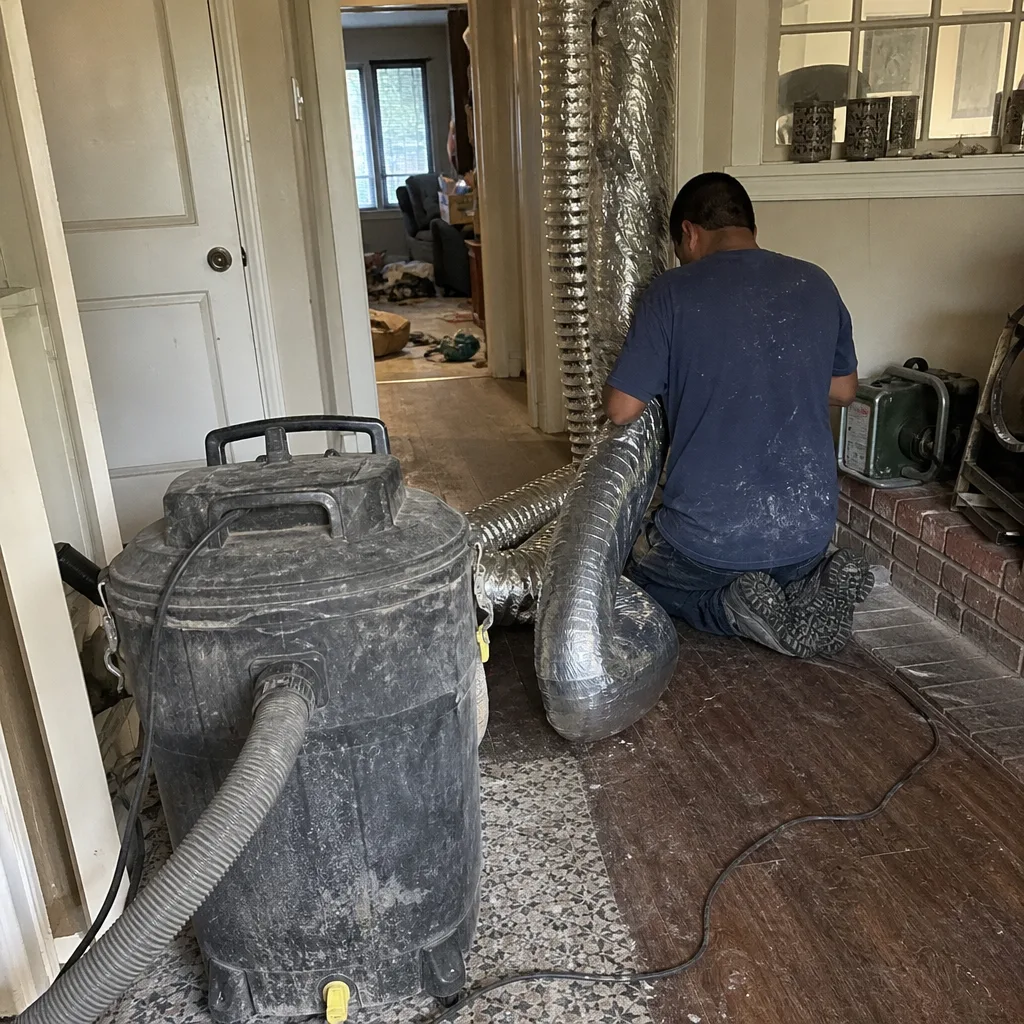 Before
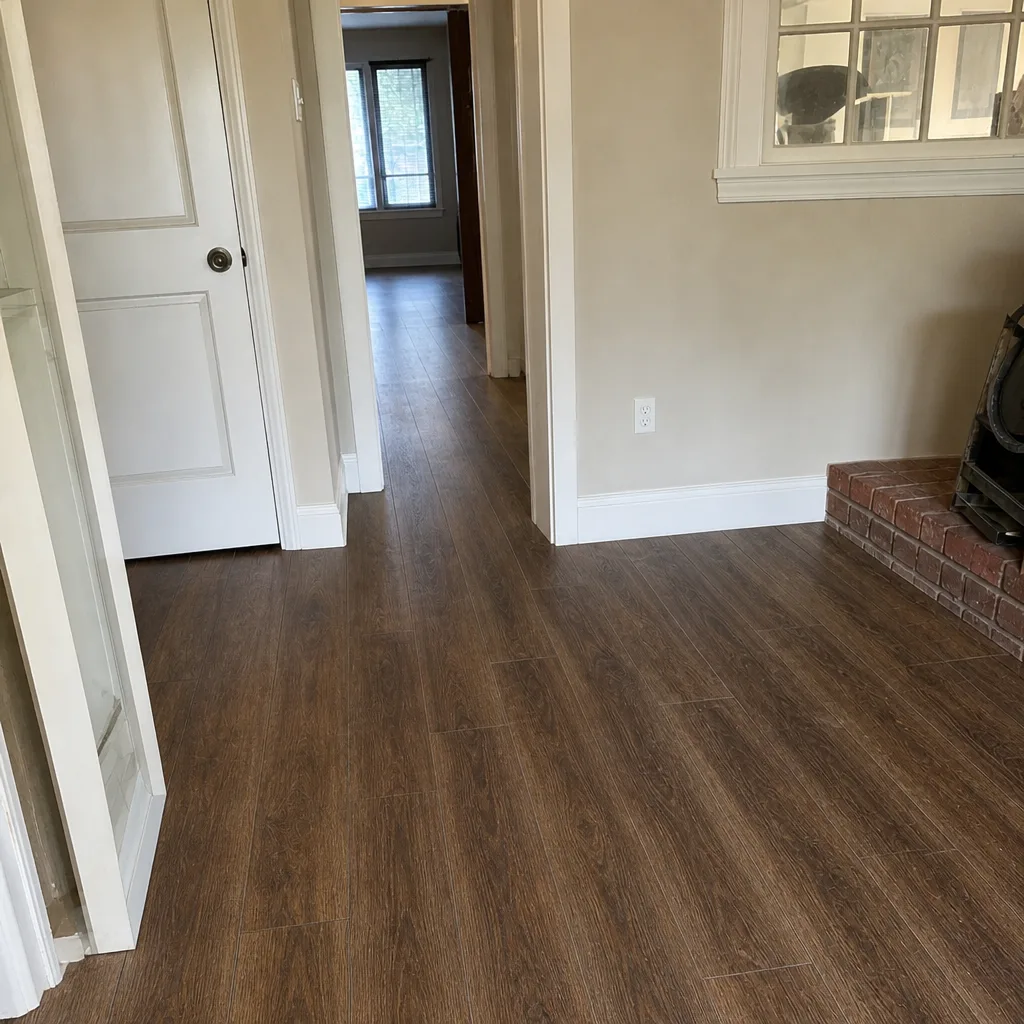 After
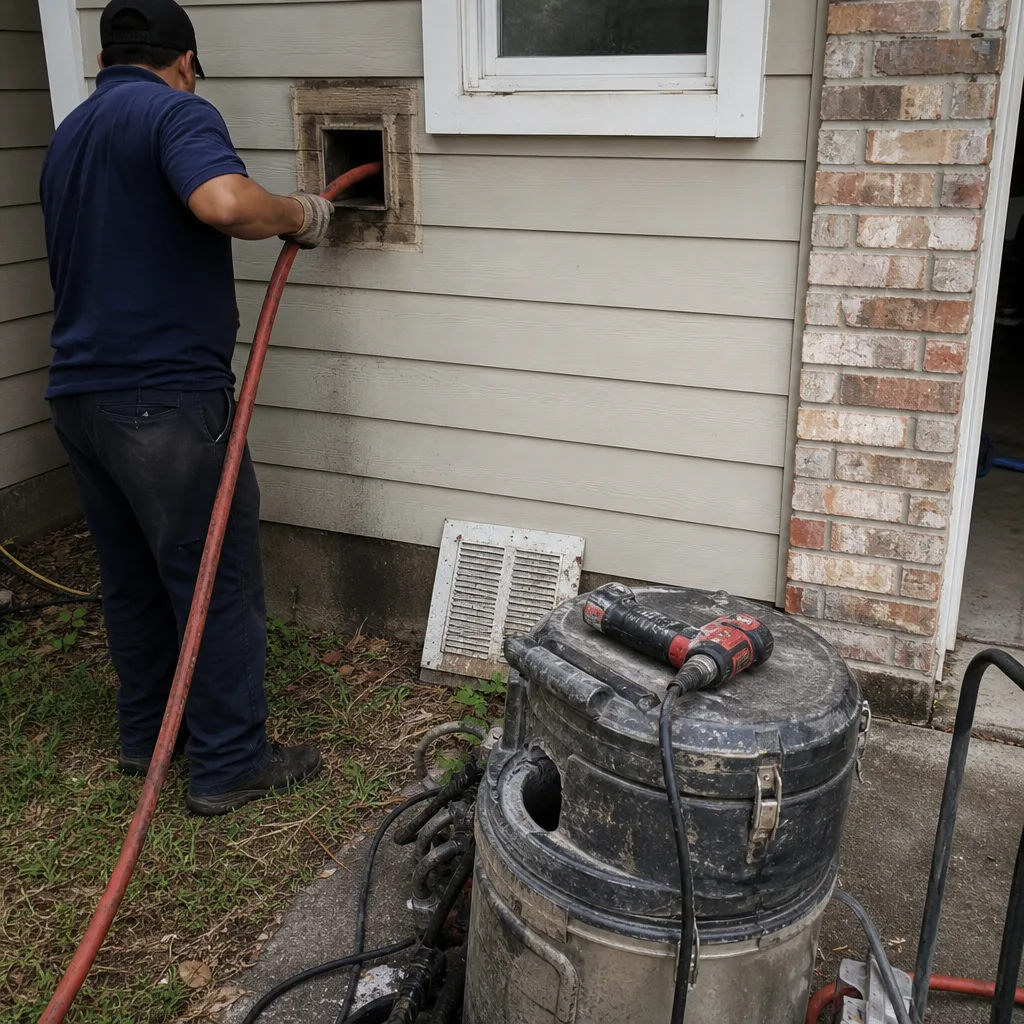 Before
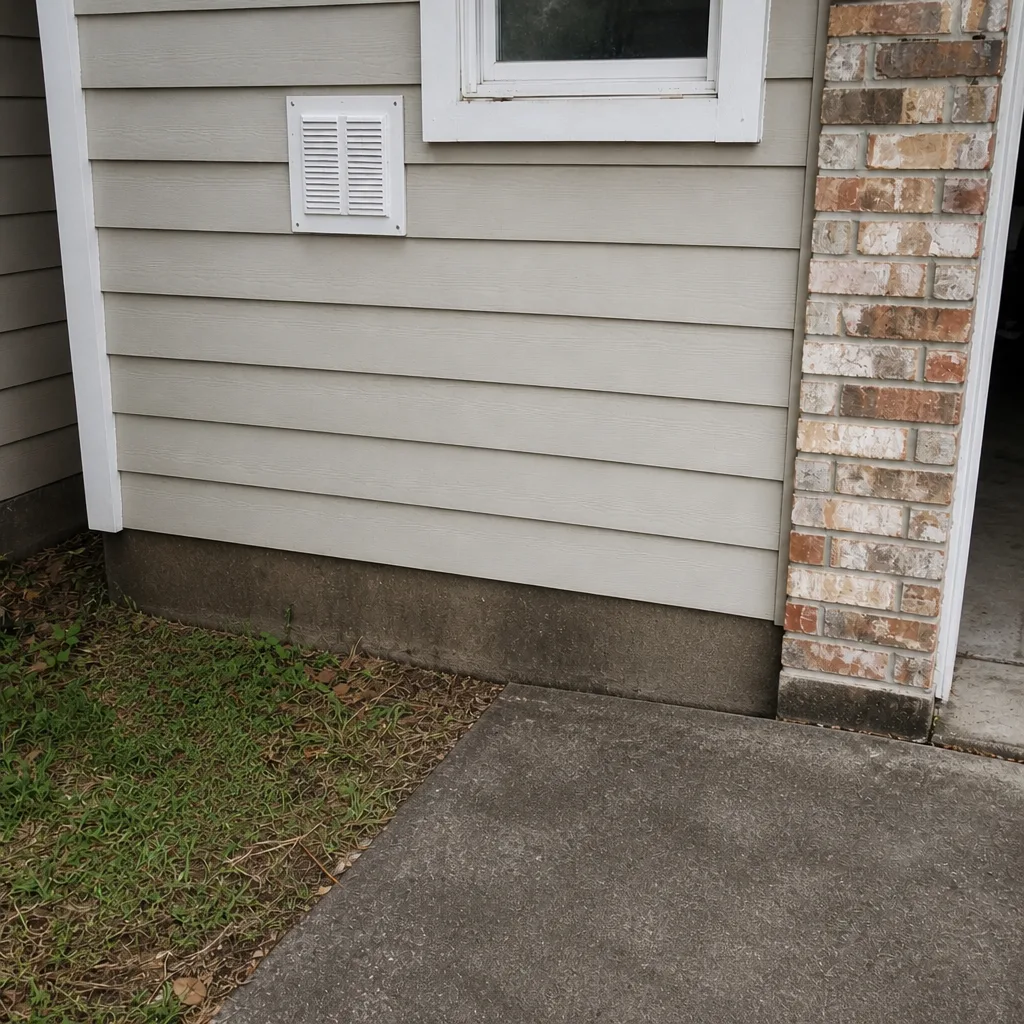 After
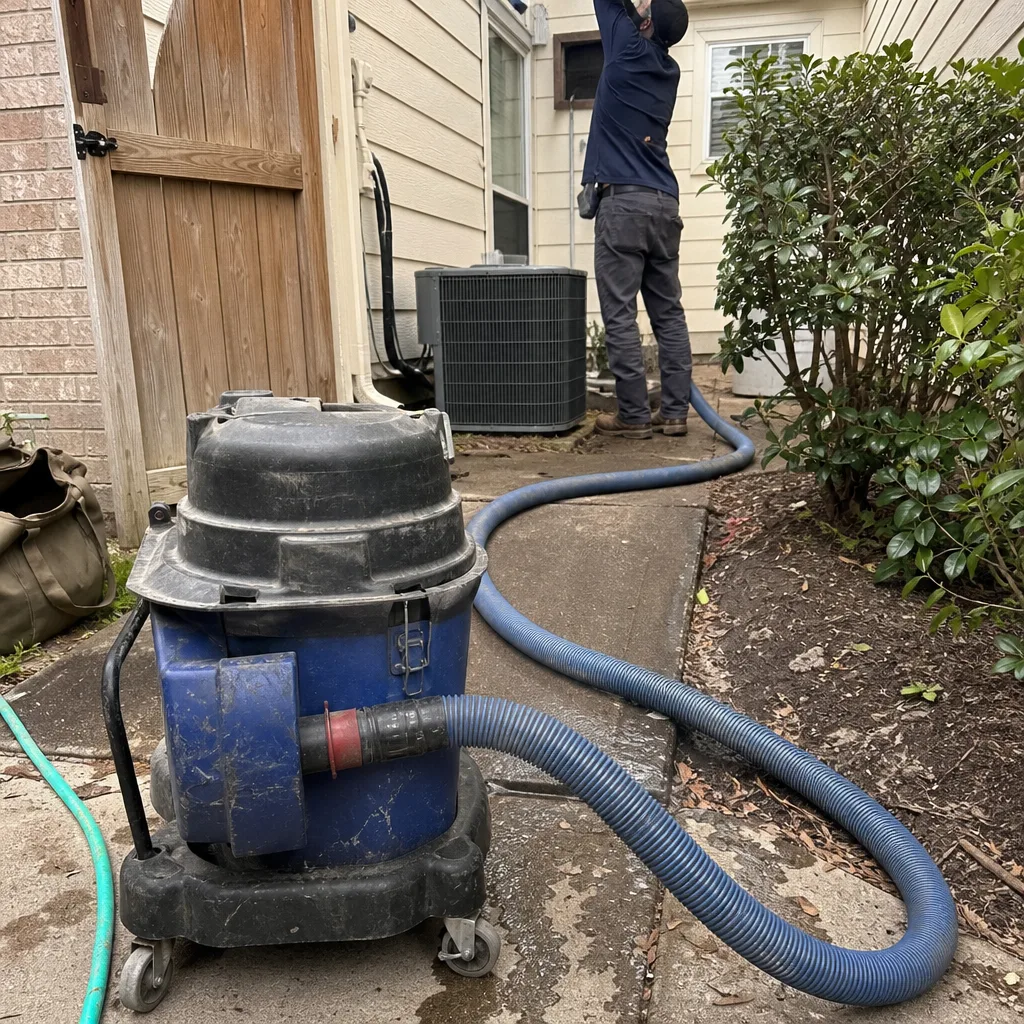 Before
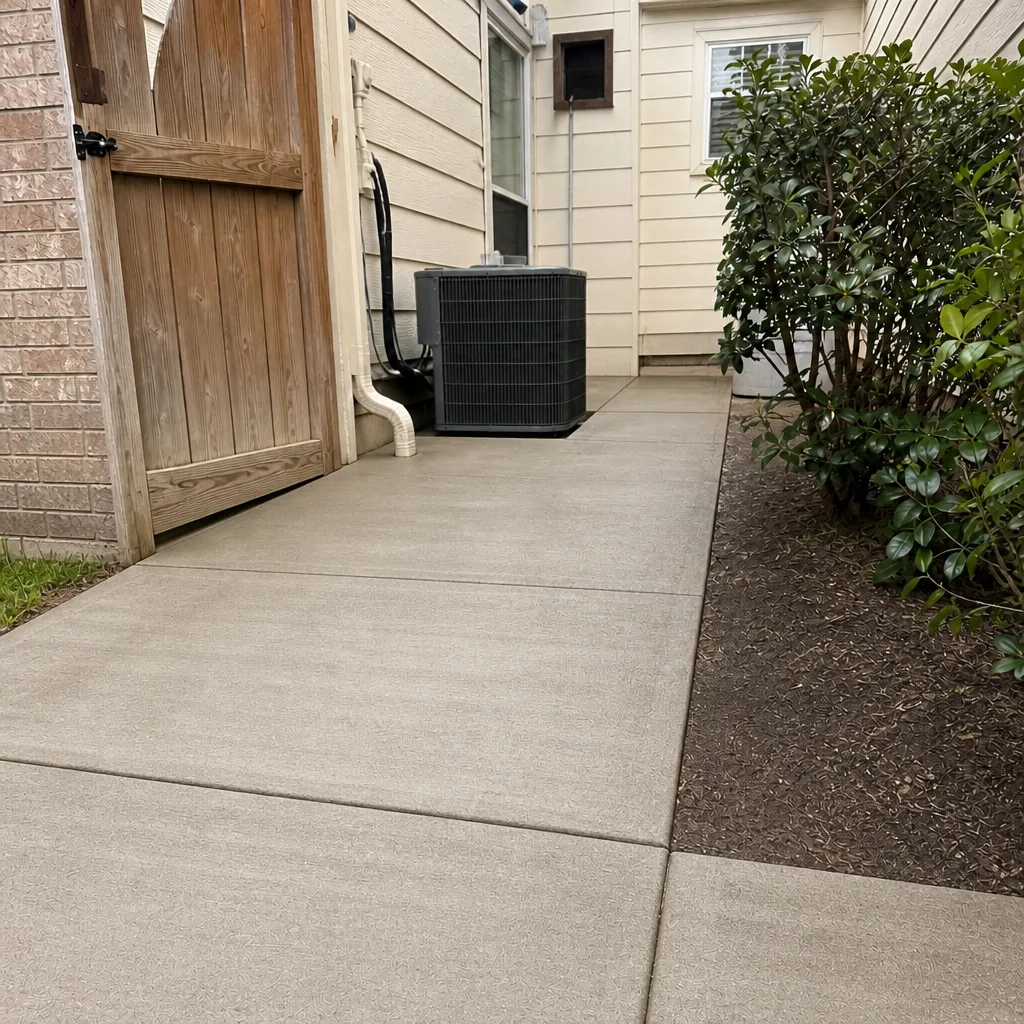 After
Frequently Asked Questions
Air duct cleaning in Conroe typically runs by whole-system scope, not per vent, and the price depends on system size, the number of returns and plenums, attic accessibility, and whether repair work is needed alongside cleaning. We set one flat price per system, agreed in the written estimate before any work starts, so the number on the estimate is the number on the invoice. Call (844) 761-5350 for a free estimate – estimates are free and we answer 24/7.
Cheap quotes are usually per-vent teaser pricing that doesn’t cover returns, plenums, or main trunk lines, and the real invoice climbs once the technician is on site and adds the “extras” the teaser excluded. The other common shortcut is blow-and-go cleaning, which re-suspends debris instead of extracting it. Ask for one flat price per system and confirm what it includes before booking. Call (844) 761-5350 to compare a whole-system estimate.
You know the work was done when you see before-and-after photos of your own ducts and the technician can explain what equipment was used and what was removed. Legitimate duct cleaning uses contact cleaning and HEPA extraction, not just air movement, and a good service walks the attic and inspects for leaks and liner damage before cleaning. Call (844) 761-5350 for a free estimate and ask about photos on the walk-through.
Most Conroe homes benefit from a full-system cleaning every three to five years under normal conditions, sooner after a renovation, after moving into a home with unknown duct history, or when a diagnosed contamination problem shows up. If a cleaning was done less than a year ago and the symptom returned, the underlying issue is probably a leak or damaged liner, not dirt. Call (844) 761-5350 for an inspection-first estimate.
A musty smell that starts when the system cycles on usually points to microbial growth somewhere in the airstream – most often at supply boots where condensation forms, or on a duct interior with lined flex that’s taking on moisture. Cleaning helps, but the moisture source needs diagnosis or the growth returns within one humid season. Call (844) 761-5350 and we’ll inspect before we quote.
Usually not on its own. A single room with consistently weak airflow while its neighbors are strong points at a crushed flex branch, a disconnected joint, or a blockage in that run – which is a repair problem, not a cleaning problem. Cleaning a system with a crushed branch masks the issue and leaves the room starved. Call (844) 761-5350 for an inspection that separates the two before any work is quoted.
Yes. Our technicians are trained on and service duct systems fitted with Honeywell and Aprilaire indoor air quality components, so filtration and air quality settings on those systems get treated as part of the duct ecosystem rather than in isolation. Call (844) 761-5350 to schedule a free estimate.
The Bottom Line
Duct problems in Conroe are diagnosable, and the diagnosis is where the money is saved. Contamination, leakage, collapsed flex runs, and blockage look similar from the thermostat but demand completely different fixes. Cleaning treats contamination. Repair fixes everything else, and the threshold between the two is the single most useful thing a Conroe homeowner can learn from this guide. Post-renovation debris needs negative-pressure extraction, not brush-only service. Conroe humidity creates specific failure patterns at boots, in attic runs, and along bonded debris lines. And cheap quotes aren’t cheap once you add the exclusions back in. Read the symptoms, run the register check, ask the five questions, and let the estimate tell you whether you need cleaning or repair. Duct Cleaning Conroe handles all of it under one roof with remediation-grade equipment, whole-system pricing, and before-and-after photos of your own ducts. Call (844) 761-5350. We answer 24/7. Fast dispatch from 7am to 7pm, Sunday through Friday.
Written by the team at Duct Cleaning Conroe.