
Last updated November 15, 2026
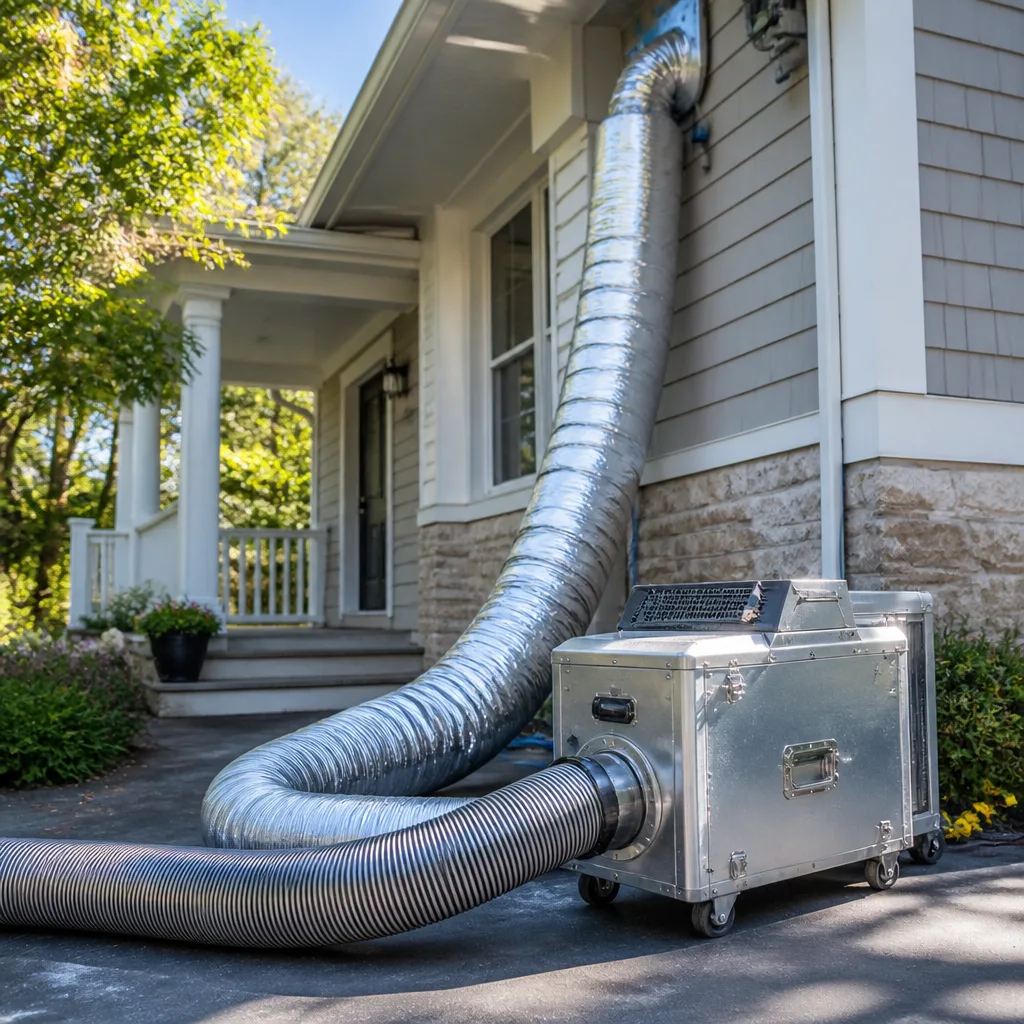 Whole-home duct cleaning
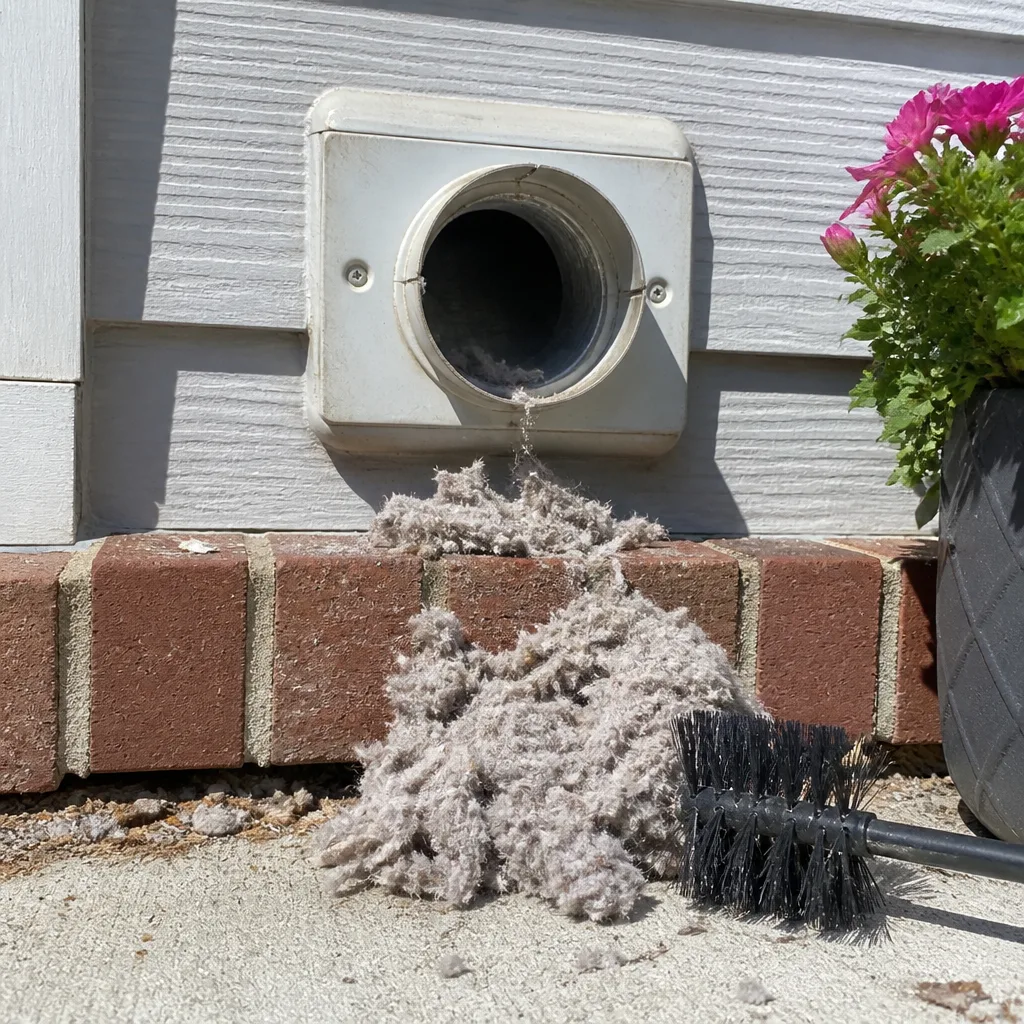 Dryer vent cleaning
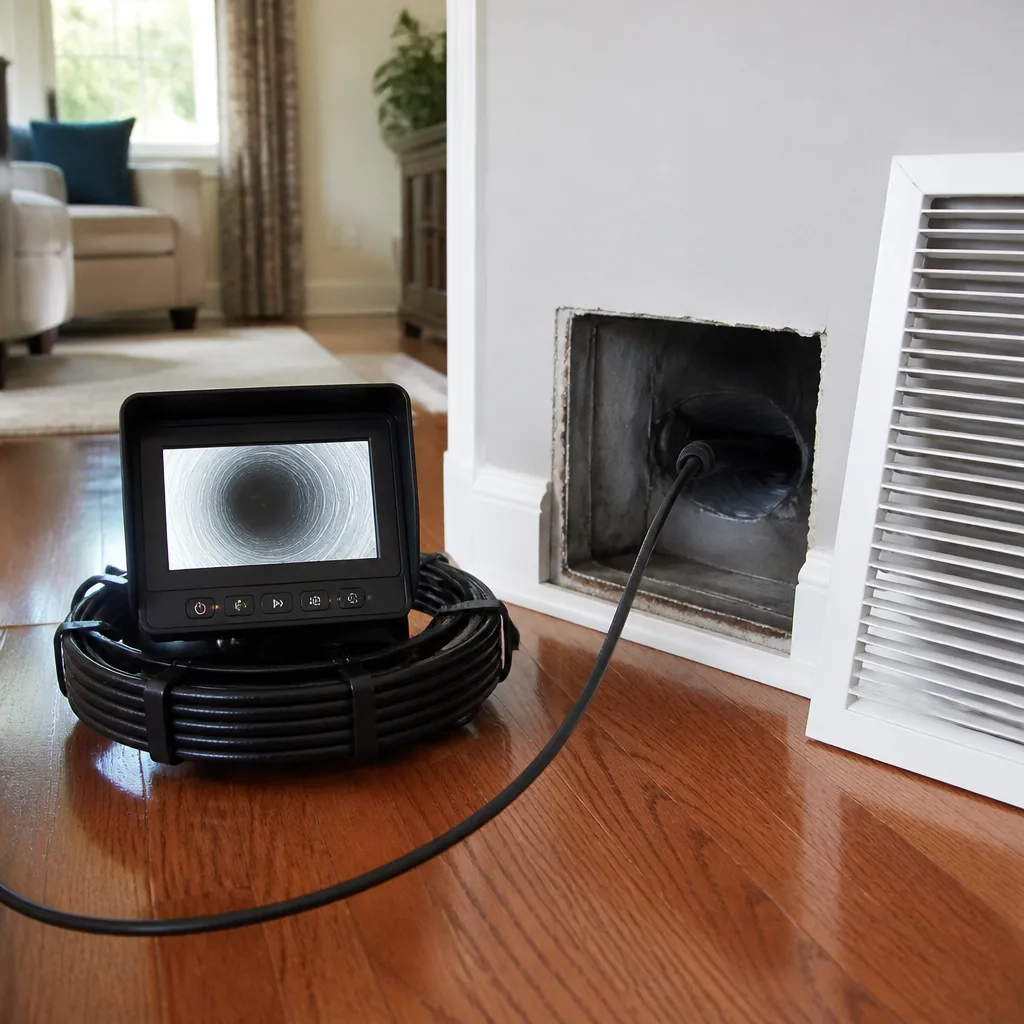 Camera inspection
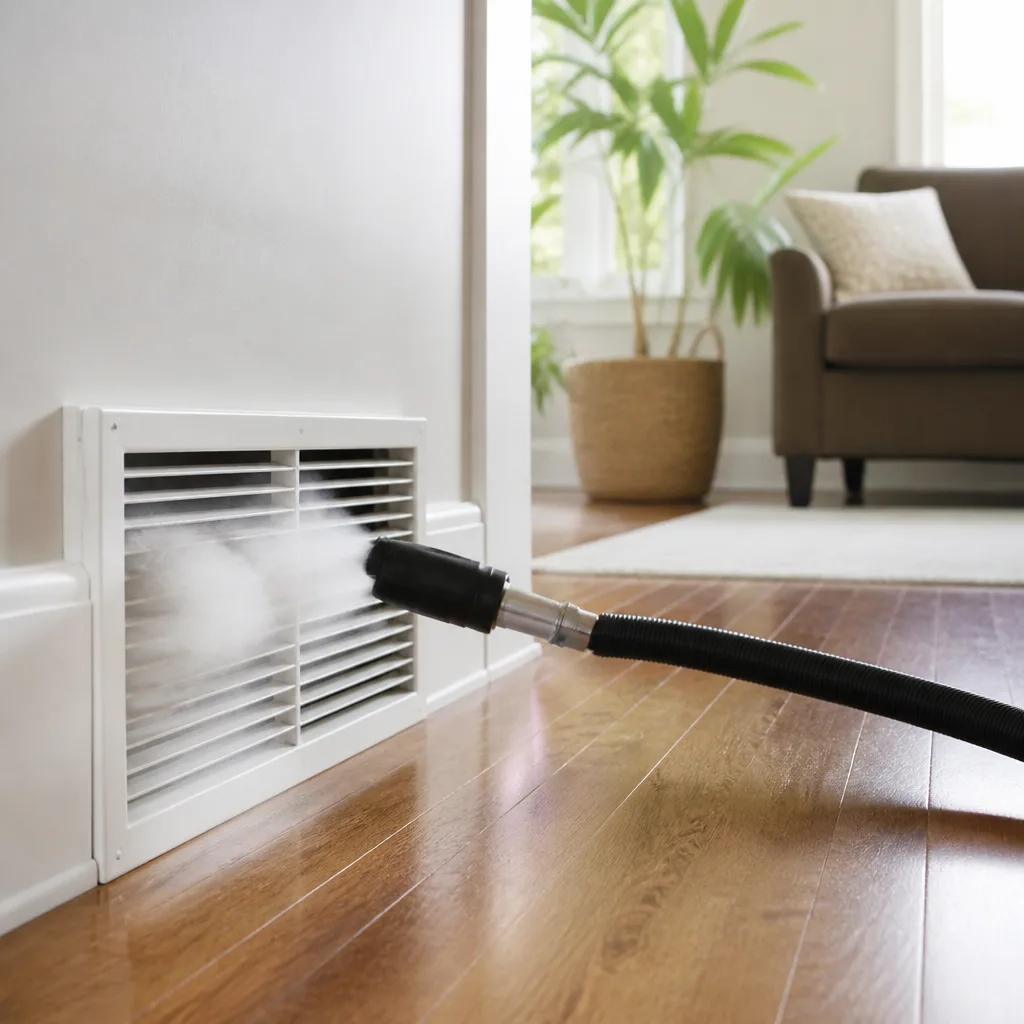 Sanitizing & deodorizing
Whole-system duct and dryer vent check with before-and-after photos - you see exactly what came out of your vents
That "$99 whole-house special" is a bait ad - the real number appears once they are in your hallway, or the "clean" is a shop-vac at the register. We photograph the inside of your ducts before and after instead.
Choosing the Right Air Duct Cleaning Brand: A Buyer’s Guide for Conroe
Most homeowners never ask what equipment is coming to their house. That’s the quiet problem behind the whole air duct cleaning market. A crew can show up with a shop vac and a brush, spend two hours, and hand you the same invoice as a company running truck-mounted negative air machines and contact agitation tools. From your side of the front door, the two jobs look identical. They aren’t. The equipment a company owns is one of the most honest proxies you’ll get for how seriously they treat this work, because machines cost money and sidelines don’t. This guide walks through the professional equipment tier, the exact questions to ask before booking, and how to read a confident answer versus an evasive one. It’s written for Conroe homeowners who want to understand what’s actually happening inside their walls.
Quick Answer
The right air duct cleaning company in Conroe is the one that owns professional-grade contact-cleaning and HEPA vacuum equipment, can explain how it works, repairs ductwork it finds failing instead of cleaning over it, and treats dryer vent cleaning as a real service rather than an upsell. Ask three questions before you book: what machine they’ll run, how they contain dust during the job, and whether repair is in scope. Vague answers on any of those are your signal to keep looking.
Styles & brands we work with
- Whole-home duct cleaning
- Dryer vent cleaning
- Camera inspection
- Sanitizing & deodorizing
Table of Contents
- What the professional equipment tier actually means
- How to ask a contractor about their equipment before booking
- Why negative air pressure matters more than horsepower
- Owning equipment versus renting it: why it shows up in job quality
- What equipment alone doesn’t tell you
- Repair and dryer vents: the two services that separate specialists from generalists
- What makes duct work in Conroe different
- What air duct cleaning costs in Conroe, and why quotes vary so much
What the Professional Equipment Tier Actually Means
Duct cleaning equipment sorts into two broad tiers: consumer-grade portables and professional contact-cleaning systems. The gap isn’t marketing. It’s engineering. A home improvement store vacuum pulls a few hundred cubic feet per minute at the hose and loses most of that through a long duct run. A professional system is built to hold suction at the register end of a full duct trunk while a separate tool agitates the debris loose from the duct wall.
Three equipment families come up repeatedly in serious duct work:
- Rotobrush contact-cleaning systems. These use a rotating brush head on a flexible shaft that physically scours the duct wall while vacuum pulls the loosened debris away. The key word is contact. Air alone rarely lifts adhered dust, pollen, and construction residue from galvanized duct walls. Something has to touch the surface.
- Nikro HEPA vacuum equipment. HEPA filtration in a duct context isn’t about the air you breathe in the room. It’s about capturing what comes out of the system so it doesn’t redeposit in your living space. Nikro builds to that standard, with multi-stage filtration that traps fine particulate rather than exhausting it back into the room.
- Abatement Technologies negative-air machines. These are the same units used in mold remediation and hazardous-material abatement. An Abatement machine creates negative pressure in the work zone, so airborne dust moves toward the machine instead of drifting into your kitchen. That’s the difference between cleaning a duct system and disturbing one.
We’ve built our service around exactly this tier: Rotobrush for contact agitation, Nikro for HEPA capture, Abatement for containment. The investment is real, and that’s the point. A company that buys remediation-grade equipment has decided duct work is the business, not a line item on an HVAC invoice.
How to Ask a Contractor About Their Equipment Before Booking
You don’t need to be an equipment expert to screen a duct cleaning company. You need four questions and a sense of what a confident answer sounds like. Ask these on the phone before anyone schedules a visit.
- “What machine do you run for the actual cleaning?” A serious answer names a system and explains what it does, like a Rotobrush contact cleaner that agitates the duct wall. A weak answer is “we use a special vacuum” or “a truck-mounted unit” with no further detail.
- “How do you keep dust out of the house during the job?” Listen for negative air pressure or a HEPA filtration setup. If the answer is “we’re careful” or “we put down drop cloths,” they’re describing cleanup, not containment. Drop cloths protect the carpet. They don’t stop airborne particulate.
- “Do you repair ductwork, or only clean it?” Ducts develop disconnected joints, crushed flex runs, and torn insulation. A company that only cleans will hand you a freshly cleaned system that’s still leaking conditioned air into your attic. A company that repairs can fix what it finds.
- “Will you show me before-and-after photos of my own ducts?” This is the simplest honesty check in the trade. A crew with nothing to hide will photograph the inside of your system at the register before and after. A crew that won’t probably didn’t do much.
A confident answer is specific and technical. An evasive one drifts toward price. If a company pivots to “we’ll beat any quote” instead of telling you what machine they run, that’s your answer. Pricing lives in a written estimate; equipment and process don’t need to be negotiated.
Signs you’re talking to a specialist
- They name the equipment without being prompted twice.
- They ask about your system type: flex duct, rigid metal, or a mix.
- They mention filtration components like Honeywell or Aprilaire filters if your home has them.
- They ask when the dryer vent was last serviced, even though you called about air ducts.
Why Negative Air Pressure Matters More Than Horsepower
Duct cleaning is a containment problem disguised as a suction problem. Here’s the physics in plain terms. When you agitate dust inside a duct, it becomes airborne. Airborne particles seek the path of least resistance. If the only open path is the register grille into your living room, that’s where the dust goes, no matter how strong the vacuum is on the other end.
That’s why truck-mounted negative air machines beat portable units for residential source removal. A properly set-up negative air machine seals against the system and pulls air toward the machine, dropping the pressure inside the ducts below the pressure in the room. Air flows from the room into the duct, not the other way around. Dust can’t escape into your space because the airflow is going the opposite direction.
Portable units struggle here for a mechanical reason. They have smaller blowers, shorter hoses, and less motor capacity to overcome the friction of a long duct run. By the time suction reaches the far end of a second-story trunk line, a portable unit has lost most of its pull. A truck-mounted or high-capacity negative air machine holds pressure across the whole system, which is what “source removal” actually requires. Removing debris from the source means the whole duct, not just the registers you can reach with a hose.
For a house in Conroe, that matters more than you might think. Air conditioning runs long and hard here from late spring through early fall, and the return side of the system moves a lot of air across a lot of dust. A duct system that can’t hold negative pressure during cleaning doesn’t get clean. It gets stirred.
Owning Equipment Versus Renting It: Why It Shows Up in Job Quality
A company that owns its equipment runs it every week. A company that rents it runs it a few times a quarter and learns its quirks on your job. That’s not a knock on rental in principle. It’s a fact about familiarity. Rotobrush systems and Abatement negative air machines have real operating characteristics: brush speed, hose routing, sealing technique, filtration loading. A technician who runs the same machine daily develops an instinct for when a duct is genuinely clean versus when the tool is just moving.
Equipment ownership also correlates with commitment to the discipline. A generalist HVAC company that adds duct cleaning as an add-on has no reason to buy a $30,000 truck-mounted system. They’ll subcontract it or rent a portable unit for the occasional call. A duct specialist with three service lines (cleaning, dryer vent, repair) has every reason to own the best machines it can, because duct work is the whole business.
When you ask “do you own your equipment,” listen for how the technician answers. “Yes, we run Rotobrush and Nikro units” is specific. “We have everything we need” is not. The answer you want names machines, because the person answering knows their tools by name.
What Equipment Alone Doesn’t Tell You
Here’s the honest caveat: a professional machine in untrained hands produces a mediocre job. Equipment is a proxy, not a guarantee. A Rotobrush in the wrong hands can damage flex duct if the operator doesn’t understand brush stiffness and shaft speed. An Abatement negative air machine set up with a bad seal does nothing except make noise.
So the equipment question has to pair with three others:
- Technician training. How long has the crew been doing this work? Our technicians have up to 14 years of experience, and that shows up in how they read a duct system before they touch it.
- Certification and standards. NADCA (the National Air Duct Cleaners Association) publishes standards for how residential duct cleaning should be done. A company that mentions NADCA standards is at least aware there’s a standard. Ask directly whether they follow it.
- Scope of service. Cleaning, repair, and dryer vent work under one roof is a signal that the company has built the capability to handle a full duct system. A single-service operation has to hand you off when the job gets complicated.
We think of it this way: equipment gets you into the professional tier. Training, standards, and scope keep you there. A company that invests in all three is worth your time. A company that invests in machines and skips the rest is a company that bought tools and stopped.
Repair and Dryer Vents: The Two Services That Separate Specialists from Generalists
Two things distinguish a duct specialist from a company with a duct cleaning add-on. The first is repair. The second is dryer vents.
Why repair belongs in the same visit
Cleaning a duct system reveals problems. Disconnected joints, crushed flex runs behind a knee wall, torn insulation on a trunk line, a return that’s pulling air from an unconditioned attic space. A cleaning-only company documents the problems and leaves. A company that repairs can fix what it finds, which is the difference between a clean system and a system that stays clean. We frame repair as accountability rather than an upsell. If a duct is leaking conditioned air into the attic, cleaning it and walking away is a half-job.
Dryer vents are a fire risk, not a maintenance item
Dryer vent cleaning is treated as optional by most homeowners and ignored entirely by most duct-only companies. It shouldn’t be either. Lint accumulates in the vent line and restricts airflow. A restricted dryer vent makes the dryer run hotter and longer, and lint is highly combustible. The U.S. Fire Administration attributes thousands of residential fires each year to dryers, with failure to clean the vent as a leading factor. That’s the stake. It’s not about a fluffy dryer; it’s about a vent line that’s carrying hot air and lint through your wall.
A duct specialist that offers dryer vent cleaning as a dedicated service is telling you something about how it thinks about the whole system. Ducts, vents, and safety are one conversation. If the company you call doesn’t mention dryer vents, ask.
What Makes Duct Work in Conroe Different
Conroe sits in a climate that stresses a duct system differently than most of the country. Winters are mild, so heating season is short. Cooling season is long, and the air conditioning runs nearly every month of the year. That’s a lot of runtime on the air handler and a lot of air moving through the ducts. More runtime means faster dust accumulation and more opportunity for the system to pull in outdoor particulate.
Homes across Conroe also span a wide range of construction eras. Older neighborhoods and newer subdivisions both show up on a technician’s schedule in the same week, and the ductwork differs. Rigid metal trunk lines in one house, flex runs in another, and mixed systems where a renovation spliced new flex into an older trunk. A crew that only knows one duct type will struggle with the others. Contact cleaning has to be adjusted for the material. Brush stiffness and shaft speed that work well in rigid metal can damage flex if the operator doesn’t read the duct first.
The mix of humidity also matters. Duct systems in humid climates are more prone to microbial growth on the interior surfaces, especially on the evaporator coil and the plenum. That’s one reason remediation-grade equipment is a real consideration here, not a marketing flourish. Abatement negative air machines and Nikro HEPA units are built for environments where biological contamination is a possibility. For Conroe homeowners dealing with musty odors when the system kicks on, that capability is worth asking about.
If you’re looking at how to get the job done in this city specifically, our guide to Conroe covers what we look at when we walk into a home here.
What Air Duct Cleaning Costs in Conroe, and Why Quotes Vary So Much
Air duct cleaning in Conroe typically runs on the order of $300 to $700 for a standard residential whole-system cleaning, depending on the number of registers, the length of runs, and whether repair is needed. Dryer vent cleaning is usually separate and runs lower. These are typical ranges for the local market; the written estimate sets the final price.
Why do quotes swing so wide? A few reasons.
- Method. A blow-and-go job with a portable unit costs the company less to run than a contact-cleaning job with Rotobrush and negative air. That difference shows up in the quote.
- Scope. Whole-system cleaning includes the trunk lines, branches, and returns. A “per vent” quote may only touch the registers you can see.
- Repair. A job that finds a disconnected return and fixes it costs more than a job that cleans around the problem.
- Containment. Guardsman-level surface protection and negative air setup add time. That time is real.
One trap worth naming: the teaser price. A low opening quote that expands once the technician is on site is the oldest move in this trade. Ask for the full written scope before work starts. The estimate should cover the whole system, not per-vent pricing. That way there’s no room for the invoice to grow after the truck is in the driveway. If you want to understand the full range of air duct cleaning scope, our service page breaks it down further.
Common Mistakes to Avoid
- Booking on price alone. The cheapest quote in Conroe is usually a portable unit and a short hose. You’ll pay less and get less, and you won’t see the difference until your allergies come back in a month.
- Not asking what equipment is coming. If the company can’t name the machine, it’s probably using whatever’s available that week. A technician who doesn’t know the equipment isn’t running it well.
- Accepting a per-vent quote. Per-vent pricing rewards the company for counting registers, not for cleaning the trunk lines where most of the dust lives. Ask for a whole-system price.
- Skipping the dryer vent. Homeowners call about air ducts and forget the dryer vent behind the machine. Lint buildup is a fire risk, and a duct specialist will flag it if you ask.
- Cleaning over a failing duct. If a company cleans and doesn’t mention a crushed flex run or a disconnected joint, ask what they found. A clean system that leaks is still a leak.
- Hiring a company that won’t show photos. Before-and-after photos of your own ducts are the basic proof of work. If they won’t take them, ask why.
- Ignoring follow-up symptoms. Musty odors or dust returning within a few weeks can mean a problem the cleaning didn’t address, like microbial growth on the coil or a return pulling from the attic.
See the difference
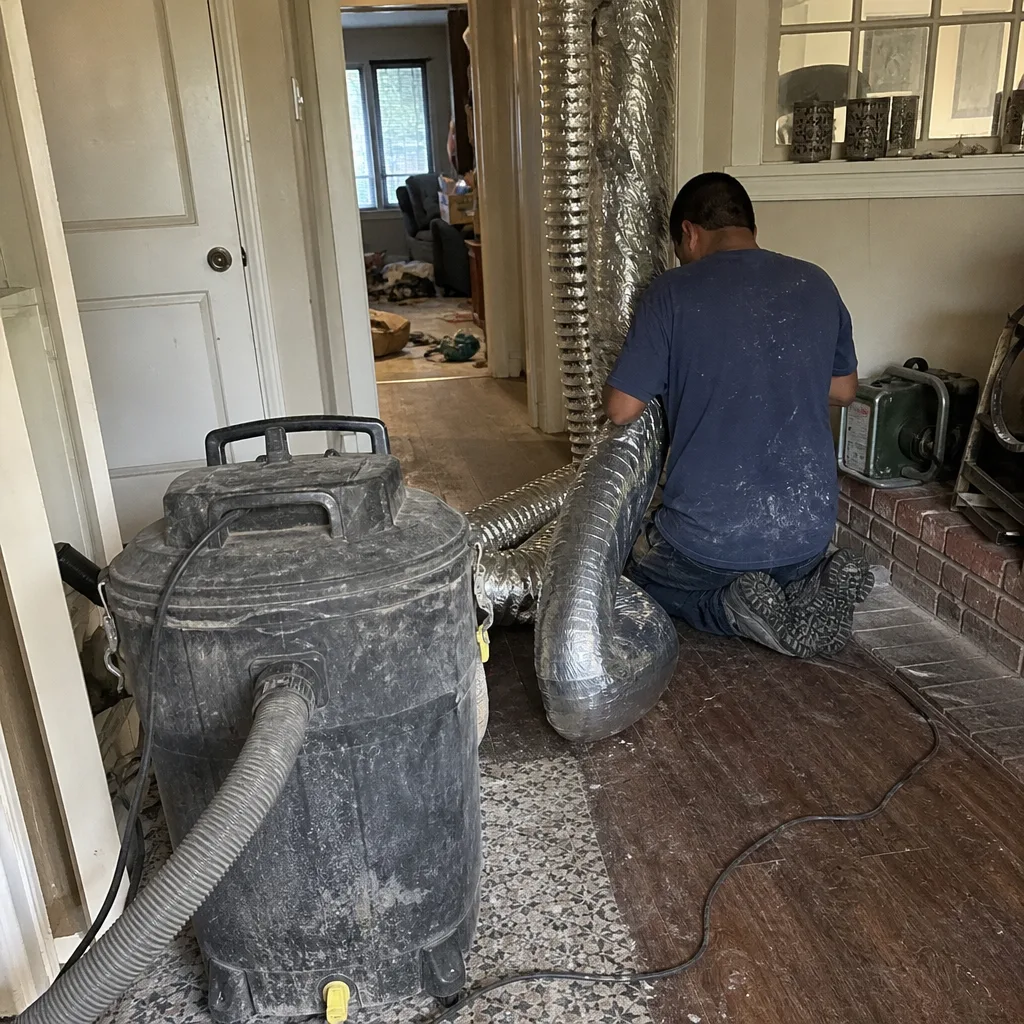 Before
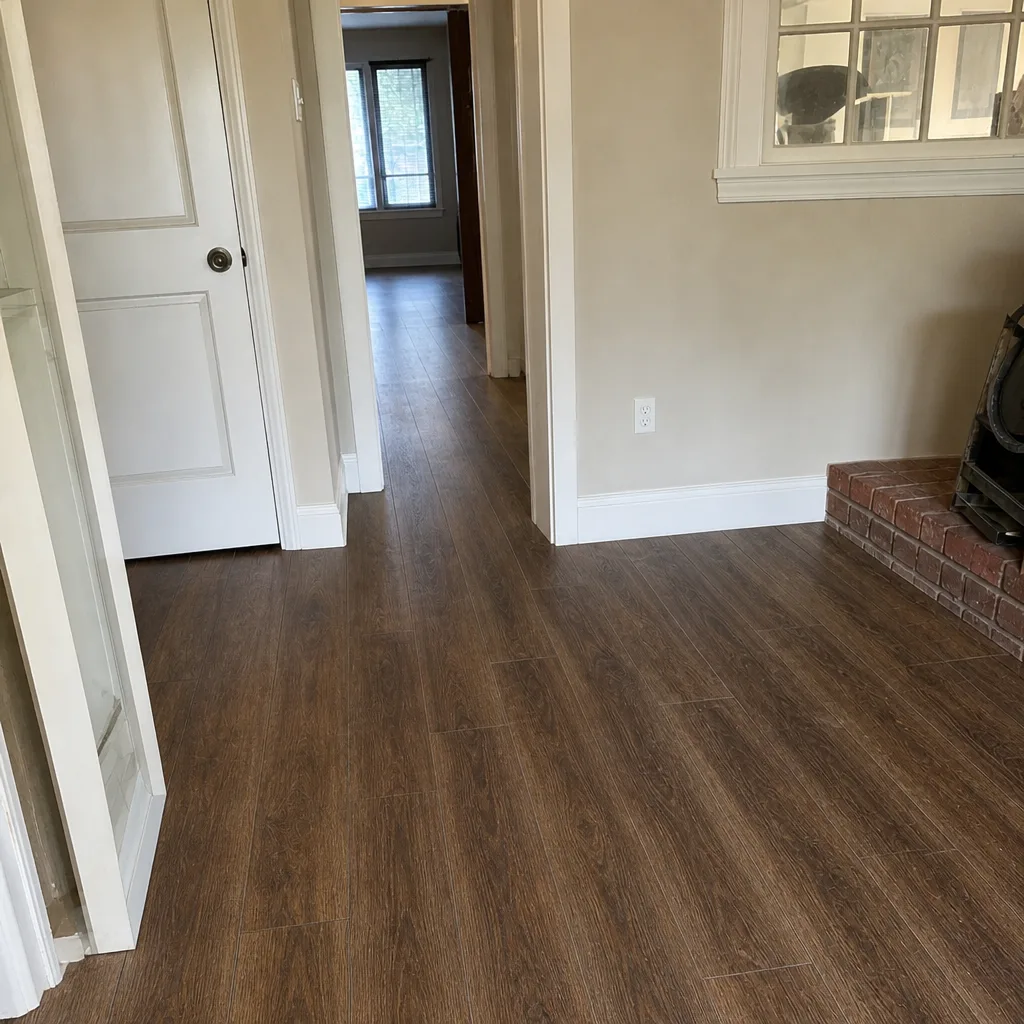 After
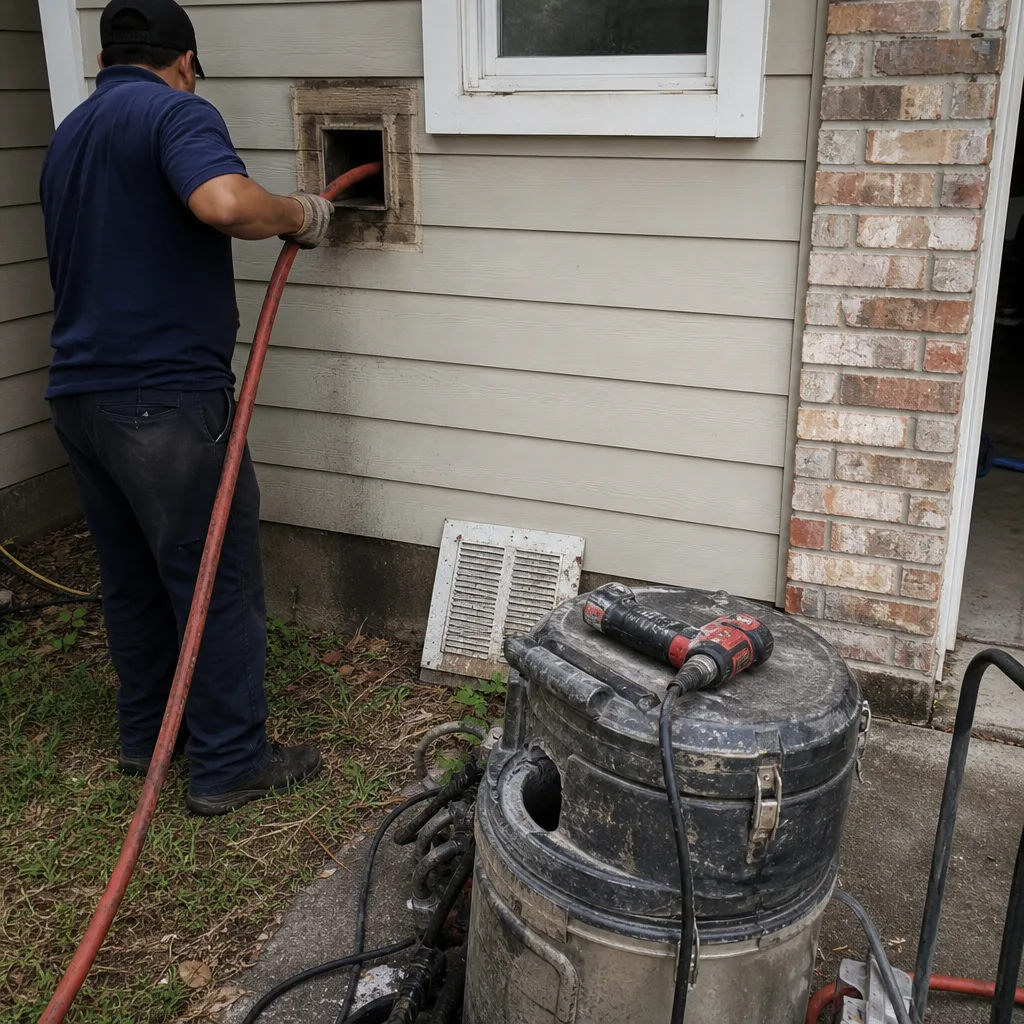 Before
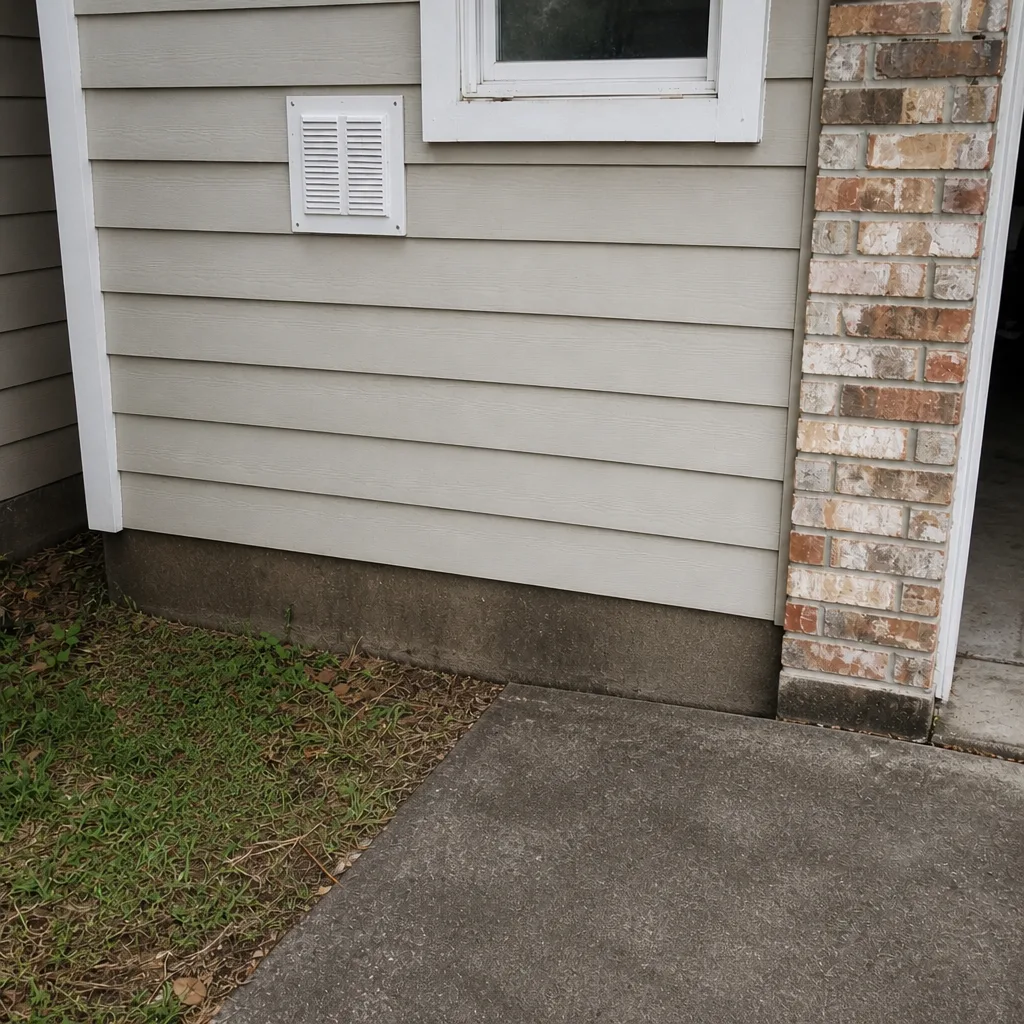 After
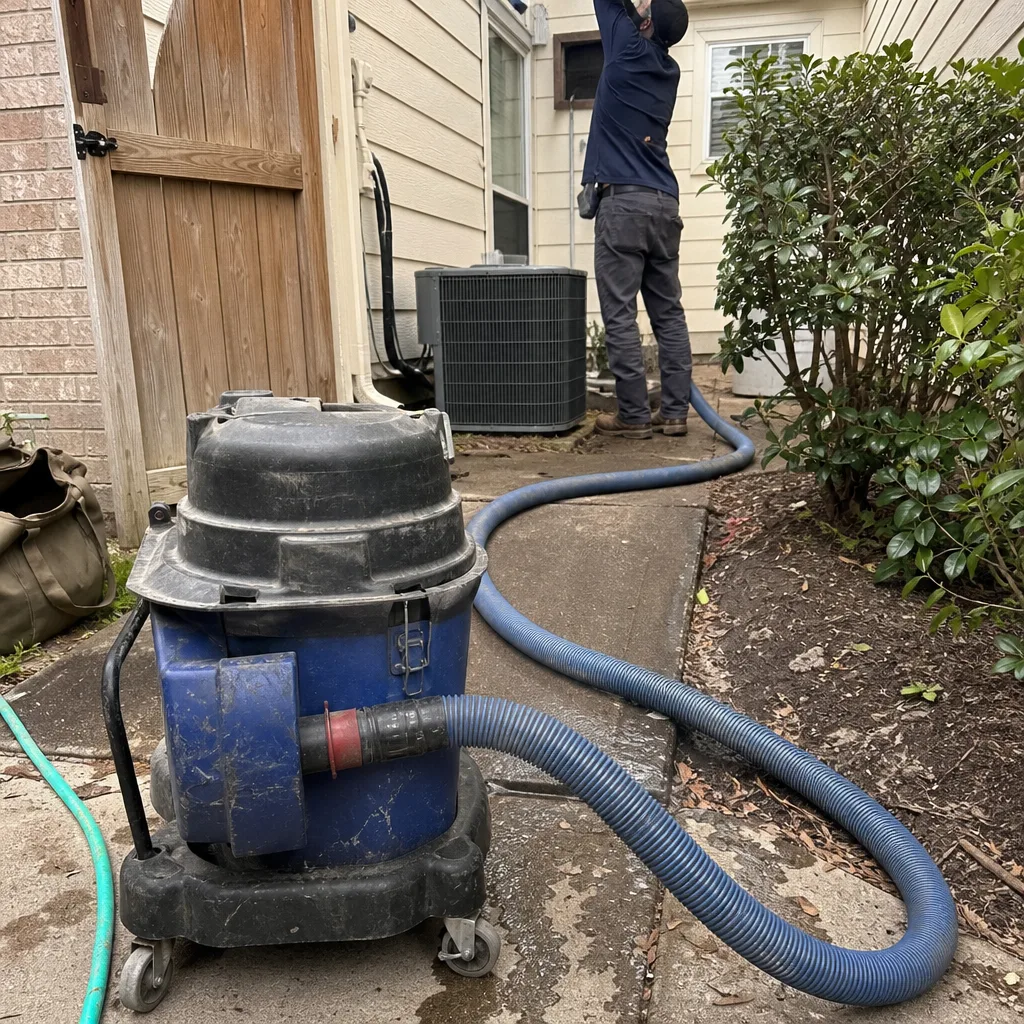 Before
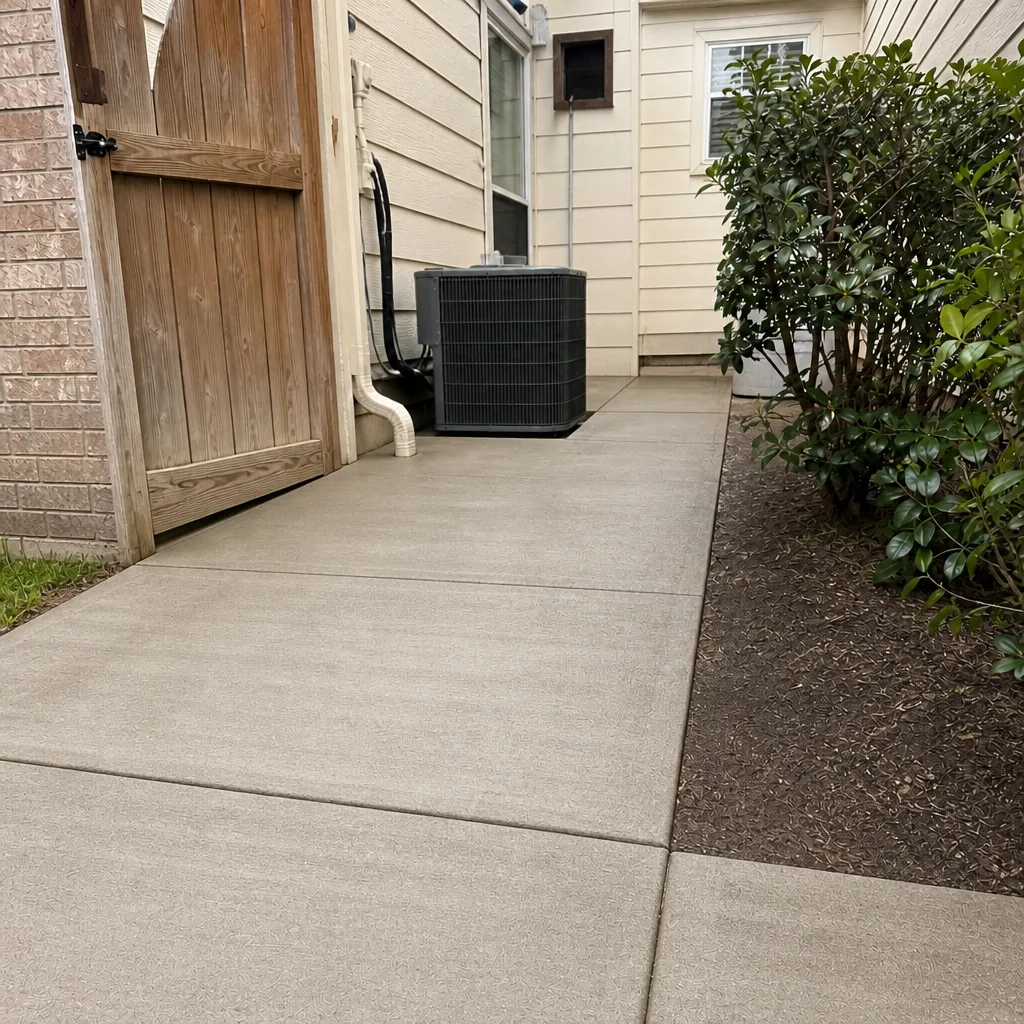 After
When to Call a Professional
Some duct work is a “someday” job. Some of it isn’t. Call a professional if you’re seeing dust settle on surfaces faster than it used to, if the system smells musty when it kicks on, if your allergies flare up every time the AC cycles, or if airflow is uneven from room to room. Call if you’ve remodeled recently; construction dust is fine particulate that settles deep in the system. Call if the dryer takes longer than it used to and the vent hasn’t been cleaned. And call if you’ve bought a home in Conroe and don’t know when the ducts were last cleaned. Duct Cleaning Conroe offers free estimates in Conroe. Call (844) 761-5350. We answer 24/7. Fast dispatch from 7am to 7pm, Sunday through Friday. Or start at Duct Cleaning Conroe to see how we work.
Frequently Asked Questions
Look for a company that owns professional-grade equipment it can name, follows NADCA standards, repairs ductwork it finds failing, and cleans dryer vents as a real service. Ask what machine they’ll run and how they’ll contain dust during the job. A confident, specific answer is the best signal you’ll get before you book.
Typical residential whole-system cleaning in Conroe runs in the $300 to $700 range, depending on register count, run length, and whether repair is needed. The written estimate sets the final price. Call (844) 761-5350 for an exact quote; estimates are free.
Cheaper quotes usually reflect a portable unit, a shorter job, and a per-vent scope that skips the trunk lines. The difference isn’t in the cleaning, it’s in the cleaning. A contact-cleaning job with Rotobrush, Nikro HEPA filtration, and Abatement negative air costs more to run, and you’ll typically see it in how clean the system ends up. Call (844) 761-5350 to compare a whole-system scope against whatever you’ve been quoted.
Ask for before-and-after photos of your own ducts, taken at the register. A professional crew will document the job as a routine part of the process. If the technician can’t show you what the duct looked like before and after, ask them to photograph it before they pack up. Call (844) 761-5350 if you want to see what that documentation looks like.
For most homes, every three to five years is a reasonable interval. In Conroe, where the AC runs almost year-round, systems that see heavy runtime may warrant a check sooner. Homes with pets, recent remodeling, or allergy sensitivity in the household tend to need it more often. Call (844) 761-5350 if you’re not sure where your system stands.
A specialist owns remediation-grade equipment, repairs ductwork, and cleans dryer vents. An HVAC company that cleans ducts typically subcontracts or rents equipment and treats duct work as an add-on to service calls. The two jobs look the same at the front door but end very differently inside the system.
It can reduce the dust and particulate that circulate through the system, which many allergy sufferers notice. It’s not a substitute for medical advice, and results depend on the system’s condition. Contact cleaning removes what’s adhered to the duct walls; a portable unit that blows air through doesn’t.
The Bottom Line
The equipment question is the simplest, most revealing thing you can ask a duct cleaning company. A company that names its machines, explains how contact agitation works, and can show you before-and-after photos is telling you it treats this as a discipline. A company that pivots to price, won’t name its equipment, or cleans without repairing is telling you something too. In Conroe, where the AC runs most of the year, the difference shows up in the air you’re breathing. Own your equipment, know the standards, repair what you find, and protect the house while you work. That’s the standard worth asking for. Call (844) 761-5350 for a free estimate.
Written by the team at Duct Cleaning Conroe.