
Last updated November 15, 2026
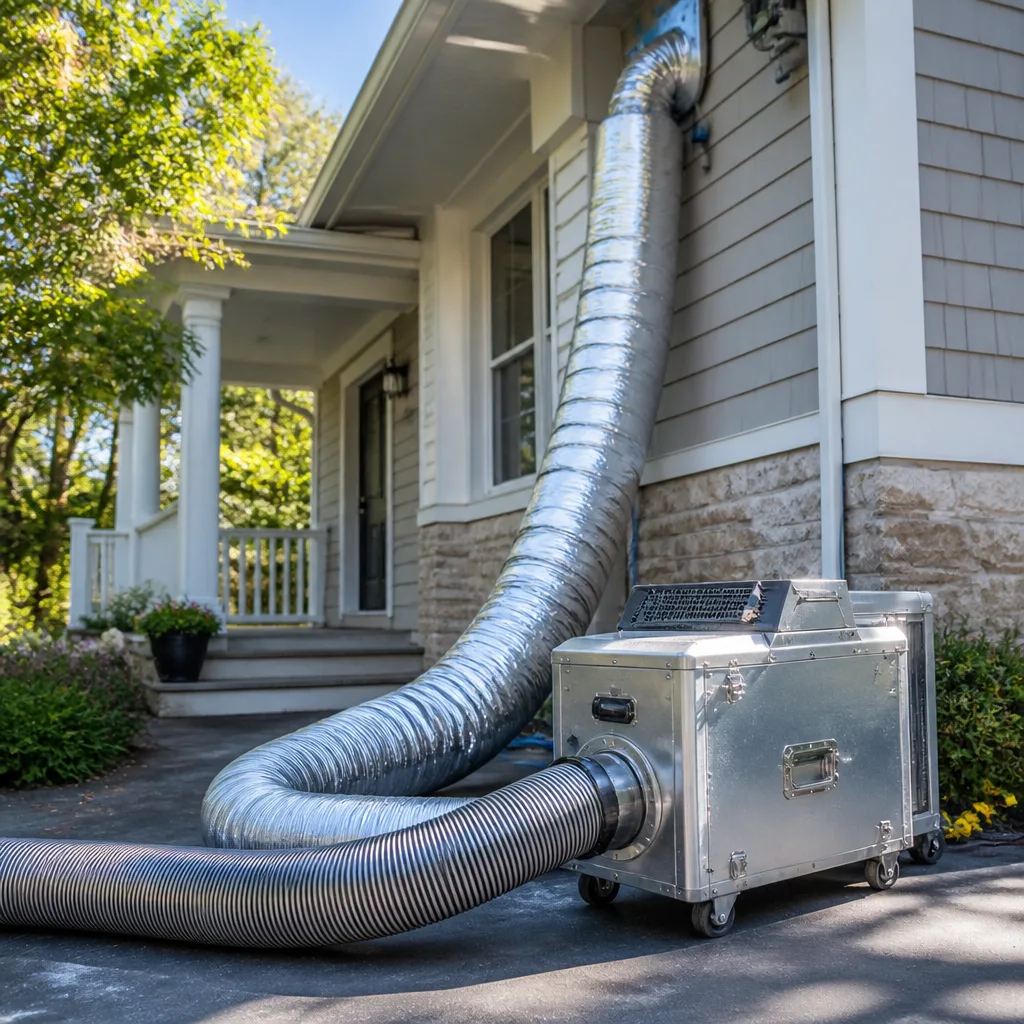 Whole-home duct cleaning
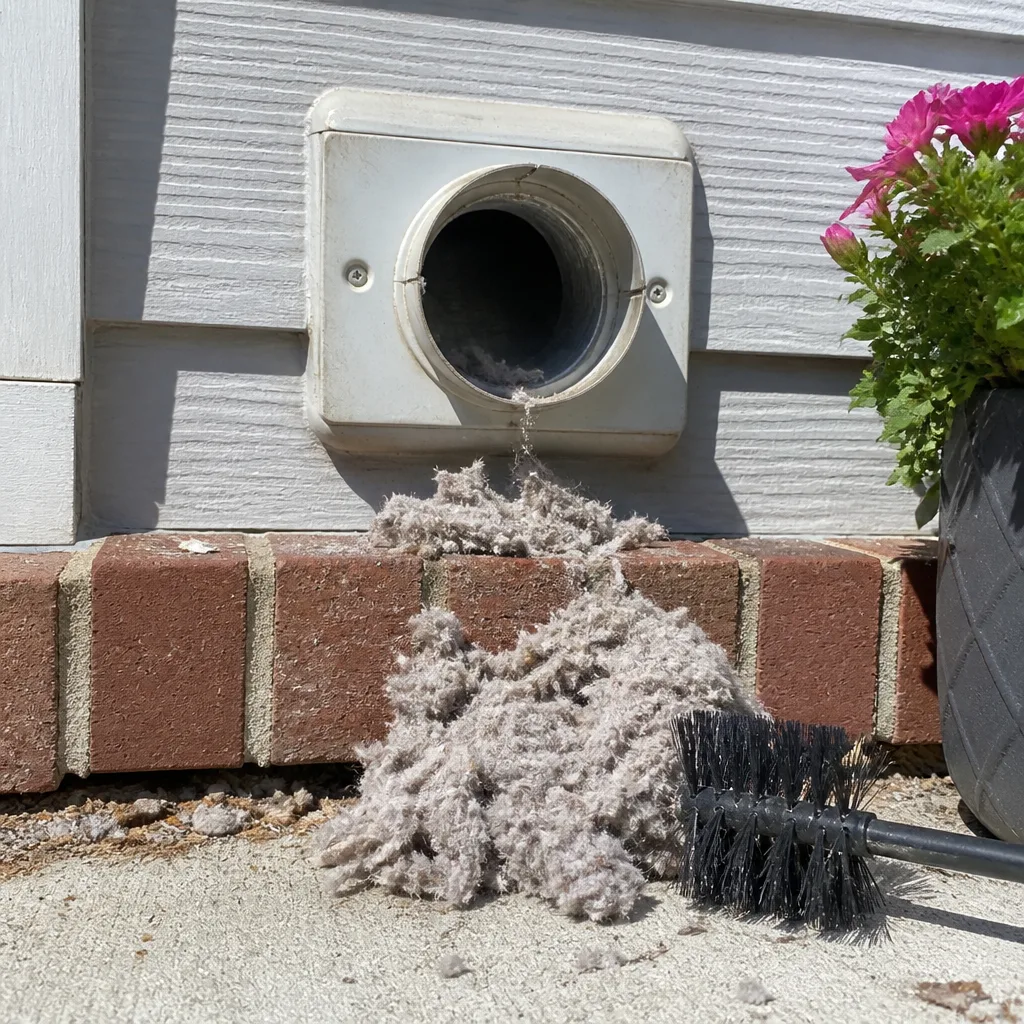 Dryer vent cleaning
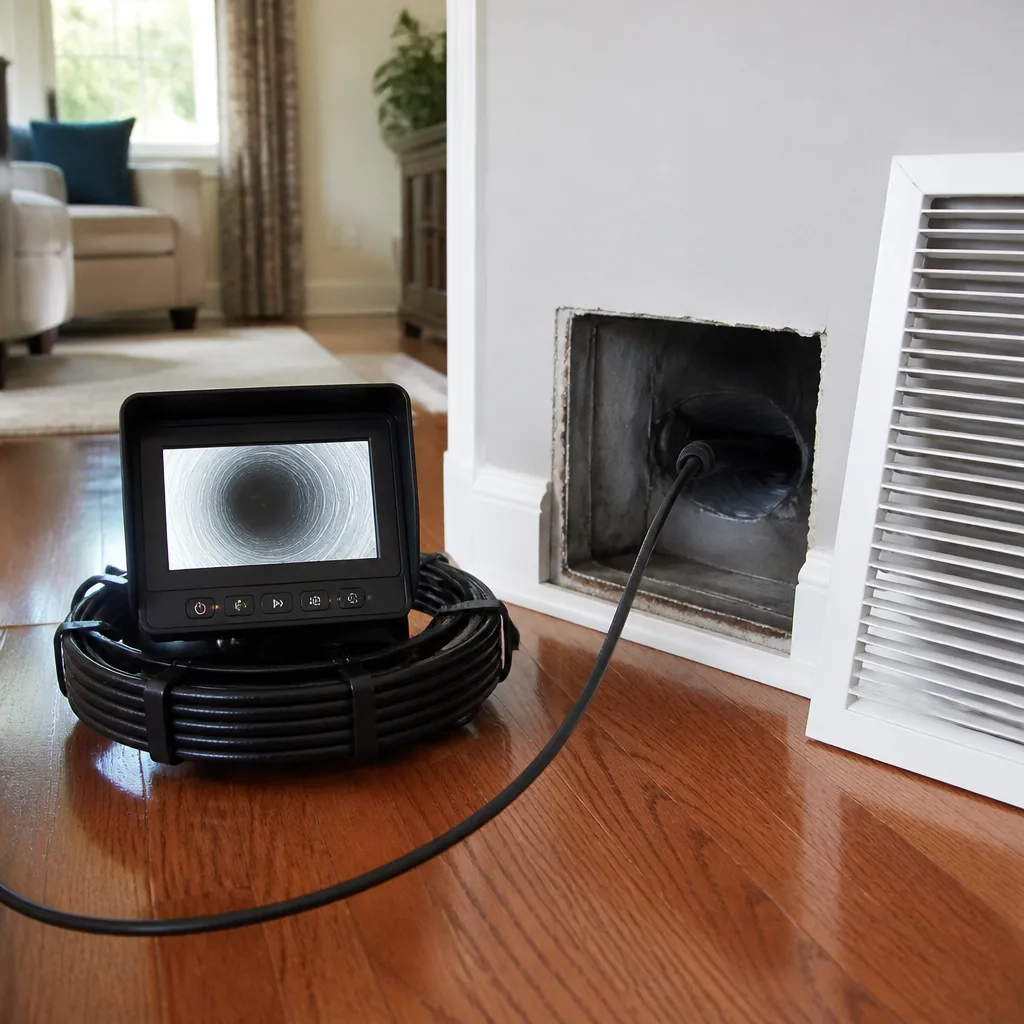 Camera inspection
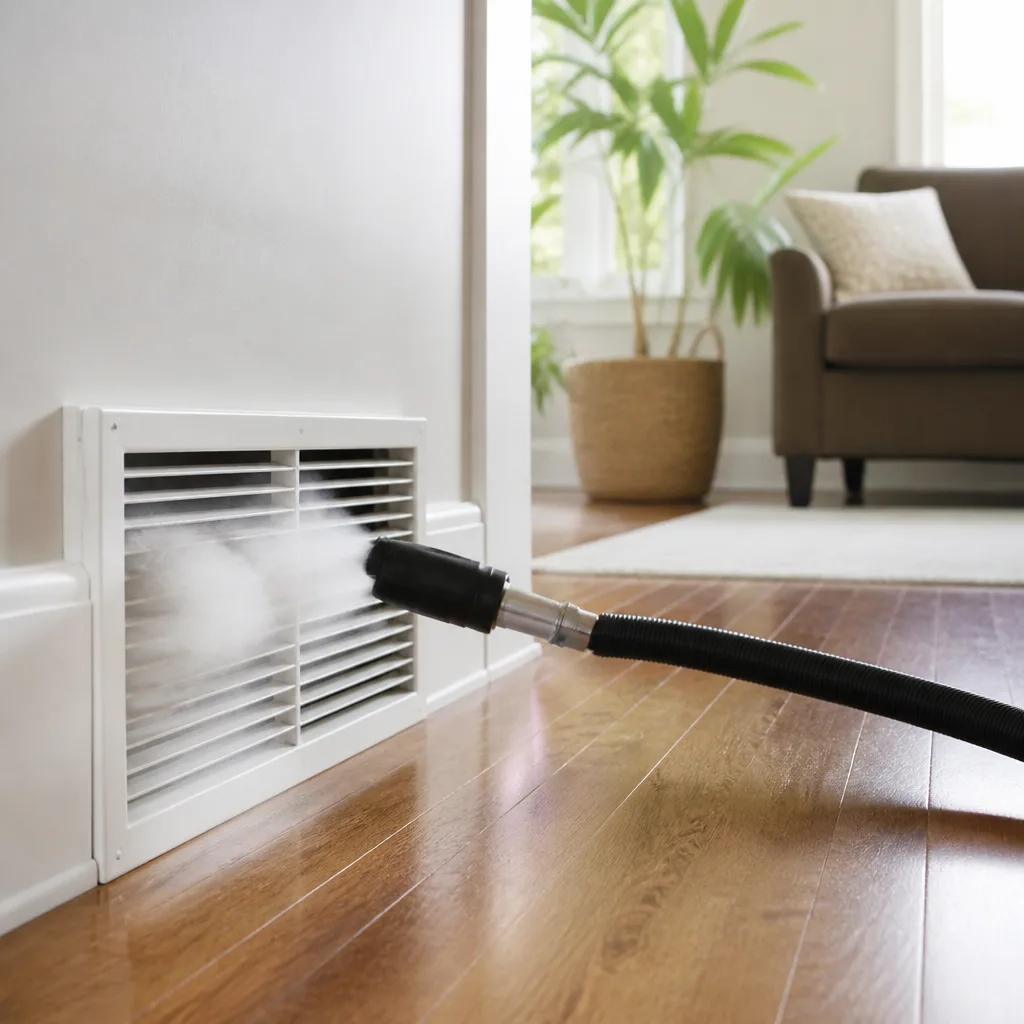 Sanitizing & deodorizing
Whole-system duct and dryer vent check with before-and-after photos - you see exactly what came out of your vents
That "$99 whole-house special" is a bait ad - the real number appears once they are in your hallway, or the "clean" is a shop-vac at the register. We photograph the inside of your ducts before and after instead.
Air Duct Cleaning Emergency Preparedness Guide for Conroe Homes
Here’s the part most homeowners get backwards. After a tropical storm or a long power outage, the duct system is usually the last thing anyone inspects, and it’s often the first place mold gets established. Warm, dark, humid enclosed spaces lined with dust, pet hair, and skin cells are exactly the conditions spores wait for. Water doesn’t have to pour through your ceiling for this to happen. A few days of high humidity inside sealed ductwork is enough. This guide covers what actually occurs inside ducts during flooding, storms, and outages in East Texas, the inspection order to follow before you restart the system, how to document damage for an insurance adjuster, and how to get your system ready before the next named storm makes landfall. If you live in Conroe, this information applies to your house more than most.
Quick Answer
After a flood, tropical storm, or extended power outage in Conroe, don’t restart your HVAC system until the ducts have been checked for standing moisture and visible contamination. If water entered the ductwork or humidity stayed trapped inside it for more than a day or two, call for a camera inspection and professional cleaning before running the system, because turning it on can spread mold spores and debris through every room. Dry, intact ductwork with no water intrusion usually needs only a scheduled cleaning and a fresh filter.
Styles & brands we work with
- Whole-home duct cleaning
- Dryer vent cleaning
- Camera inspection
- Sanitizing & deodorizing
Table of Contents
- What happens inside your ducts during a flood or power outage?
- The post-storm inspection sequence, step by step
- Should you restart the HVAC system before or after the inspection?
- How to document duct damage for an insurance claim
- Cleaning vs. remediation: which one is the right call?
- The pre-storm checklist for HVAC and ductwork
- Dryer vents after a storm: the fire risk that gets overlooked
- Why Conroe’s humidity does the damage after the water recedes
What happens inside your ducts during a flood or power outage?
Three things happen in a specific order, and the third is the one that causes the lasting problem. Understanding the sequence makes the rest of this guide make sense.
First, condensation. When the air conditioning stops running, the cool metal and flex duct surfaces warm up slowly. Humid Gulf air meets those surfaces and condenses. In a house that lost power for a day or more in August, the inside of the ductwork stays wet well after the rooms have dried out. Ductwork is insulated and tucked into attics and wall cavities, so it doesn’t see the same airflow your furniture does. The moisture lingers.
Second, standing water at low points. Duct systems aren’t perfectly level. Flex runs sag. Return plenums with a low corner can hold a small pool of water for days. This is where a real problem starts, because that water mixes with settled dust and turns into a wet organic film on the duct wall.
Third, spore activation. That wet dust-and-skin-cell film is a food source. Mold spores are present in every home’s air all the time; they only need the right conditions to colonize. Warm, dark, humid, and lined with organic material is the right conditions. Once mold takes hold inside an enclosed duct, the circulating air carries spores into bedrooms, kitchens, and living rooms every time the system runs.
- Power outage under 24 hours in mild weather: minimal risk, filter change is usually enough.
- Power outage over 24 hours in humid weather: condensation risk inside the ducts, worth an inspection.
- Any water intrusion into the ductwork: professional inspection before restarting the system.
- Flooding of the air handler or attic: call for a full duct-system evaluation before power is restored to the HVAC equipment.
We’ve seen how quickly this escalates in Conroe’s climate. The humidity doesn’t let up after the storm passes. A house that stays closed up without air conditioning in the week after a storm can grow visible growth on flex duct in a matter of days.
The post-storm inspection sequence, step by step
Follow this order. It’s designed so that you never expose yourself to contaminated air or risk spreading damage into the rest of the system.
- Photograph everything before you touch it. Open registers, look at the air handler, and photograph any visible water, staining, or debris. Timestamped photos matter later for insurance.
- Do not run the HVAC system yet. If water entered the ducts or the system was submerged, running the blower sends moisture and debris through every branch of the system and into the living space.
- Check the air handler and plenum. Look for standing water, water lines on the cabinet, rust, or a musty smell when you open the access panel. If the air handler is in the attic, this is the first place to look.
- Look at every register. Remove the covers and check for moisture on the inside of the boot, debris buildup, or visible growth. Moisture on the metal at the boot is a strong signal that water reached the ductwork.
- Smell the air at each register. A musty or earthy odor coming from the ducts is a reliable early indicator that organic material is damp and active inside.
- Check humidity in the duct path. A simple moisture meter pressed against flex duct or a plenum wall gives you a reading you can record. Moisture readings help an adjuster understand the extent of the problem.
- Call for a camera inspection if you see standing water, smell mustiness, find visible growth, or the system was under water. A camera lets a technician see the interior of runs that aren’t accessible from a register.
If none of those conditions are present, a scheduled cleaning and a new filter are usually the right response. If two or more are present, treat it as contamination until a technician proves otherwise. That’s the difference between a cleaning job and a remediation job.
Should you restart the HVAC system before or after the inspection?
After the inspection. Always after. The one clear exception is a system that never lost power, never took on water, and shows no visible or olfactory sign of moisture, in which case running it normally is fine.
The reason is mechanical, not just precautionary. When the blower kicks on, it pressurizes the entire duct system. Any moisture sitting at a low point gets atomized into the air stream. Any settled debris that’s been sitting on the duct floor gets lifted and pushed out through the supply registers into your living space. A system that was mildly contaminated becomes a fully distributed one in a matter of minutes.
That said, if it’s been more than two days since a long power outage in humid Conroe weather and you haven’t been running the system, you’re not doing the house any favors by leaving it off indefinitely either. Trapped humidity is its own problem. The right move is to get the inspection done promptly so you can make an informed decision, then run the system once it’s cleared.
For homes with existing indoor air quality components, this decision matters even more. We service systems fitted with air duct cleaning, and air duct cleaning doesn’t replace an in-line filter cartridge that’s been wet for a week. Knowing which parts of the system were affected is part of the inspection, not separate from it.
How to document duct damage for an insurance claim
Adjusters aren’t looking for the biggest problem. They’re looking for evidence that connects a specific storm event to a specific condition. Duct damage is easy to claim and hard to prove, so the documentation has to be thorough and traceable.
Here’s what adjusters consistently recognize:
- Timestamped photos of the water intrusion point. The window that leaked, the ceiling that dropped, the garage that flooded. The photos that show the water getting in are more valuable than the ones showing the duct itself.
- Pre-and-post-storm comparison photos. If you have a photo of the register or air handler from before the storm, keep it. Clean duct interiors and dirty ones look very different when the adjuster has a baseline.
- Moisture readings with a meter. A simple pin-type moisture meter gives you a number (the reading itself) alongside a photo. Numbers carry weight.
- Serial-number and model photos of affected components. The air handler, the in-line filter housing, any Aprilaire or Honeywell IAQ equipment in the system. Adjusters need to know what was damaged and what it was worth.
- A written inspection report from a technician. A documented condition report describing what was found, where, in what condition, and what correction is required.
- Before-and-after cleaning photos of the same run. Not just a wide shot of a duct interior. Mark the same joint or register in both photos so the adjuster can see identical location before and after.
- Containment and negative-air documentation. If remediation is required, showing that containment was used demonstrates the job was done to a standard adjusters recognize.
We photograph before and after on every air duct cleaning job we do in Conroe, and those photos are yours to submit. Anything that helps an adjuster see the same duct in the same place before and after cleaning is evidence. Verbal descriptions are not.
Cleaning vs. remediation: which one is the right call?
The threshold is contamination, not cosmetics. If a duct system has visible growth on the walls, standing water that has been trapped for more than a short window, or porous duct material (like internally insulated flex duct) that has been saturated, cleaning alone is not the correct response. Remediation is.
Here’s how the two look in practice:
Air duct cleaning is appropriate when:
- The ducts are dry but dusty, or have ordinary debris settled on the walls.
- Humidity entered the system briefly but there’s no visible growth or standing water.
- The system is intact and the duct surfaces are non-porous or lightly dusty throughout.
- The problem is performance (airflow, dust, odors) rather than contamination.
Remediation is appropriate when:
- There is visible growth on the duct interior, plenum walls, or flex duct surfaces.
- Any porous duct section has been saturated and cannot be dried within a reasonable window.
- The HVAC air handler or plenum was under standing water.
- There’s consistent musty odor from registers even after a standard cleaning.
- Water pooling in low points of the run has sat long enough to create an active ecological film.
Remediation at the duct level means removing the affected material rather than trying to clean a saturated porous surface, encapsulating the surfaces that remain, and replacing the sections that cannot be restored. Skipping this step because a cleaning quote was cheaper doesn’t save money. It leaves the problem in place and it usually grows.
We use Rotobrush contact-cleaning equipment as a first step in both cases, because agitating the walls physically and extracting the debris is the correct baseline before deciding whether more is needed. For remediation work, we bring in Abatement Technologies negative-air equipment to contain the work area and bring the interior to a stable condition before anything else gets done. That’s remediation-grade tooling, not shop-vac-and-a-brush.
If you’re not sure which side of the line your system falls on, that’s exactly what the inspection is for. Visit us at Duct Cleaning Conroe for service details, or reach out directly and we’ll talk through what you’re seeing.
The pre-storm checklist for HVAC and ductwork
Preparing before a named storm makes landfall is easier than dealing with the aftermath, and the steps are simple. Here’s the checklist we recommend every Conroe homeowner follows when a storm is in the forecast.
- Change the air filter before the storm, not after. A dirty filter deprives the system of airflow during the last hours of normal operation. And a clean filter going into an event means you can tell later whether any debris was pulled into the filter or past it.
- Photograph your duct system and air handler. Wide shot of the air handler, each register, the return plenum, and any IAQ component. This gives you the pre-storm baseline for later comparison.
- Seal the outdoor condenser unit. If you expect flying debris, cover the top and side grilles with a tarp or a heavy cloth, secured so wind doesn’t whip it. Do not wrap the whole unit in plastic; trapped moisture underneath does damage.
- Close all supply registers and return grilles. This limits the amount of wind-driven rain and dust that can enter the duct system through the registers during the event.
- Turn off the HVAC at the thermostat. If the storm is expected to cause power loss, turning the system off first keeps the compressor from restarting into a low-voltage condition. Turn the breaker off if the power is going to be off for a while.
- Move anything stored in the attic off the insulation. If the attic is where the air handler is, clearing the space gives you room to inspect under it after the storm and it prevents stored items from trapping moisture.
- Note the date, time, and duration of any power loss. You’ll want it for the inspection conversation, and for any insurance claim.
None of these steps guarantees the system avoids damage, but each of them makes the post-storm inspection faster and the insurance claim stronger. They’re worth 30 minutes before the storm.
Dryer vents after a storm: the fire risk that gets overlooked
Here’s where post-storm preparation most often breaks down. Homeowners inspect ductwork, replace filters, and get the HVAC running, then go back to normal life with a dryer vent that’s been sitting untouched through the storm and is now holding lint, moisture, and heat in a way it didn’t before.
Dryer vents are a leading cause of residential fires, and the risk climbs when lint is already present, moisture has gotten into the vent from storm intrusion, or the vent run has been crushed or disconnected by wind-driven debris outside. A blocked or restricted vent traps hot air in the dryer and the vent line. It’s a small system with a big consequence.
Post-storm, check three things on the exterior vent:
- The exterior termination is intact and the damper flap opens freely. Storm debris or a bent flap closes the path.
- No visible lint buildup at the exterior termination.
- No water stains or rust on the vent line near the exterior wall.
A dryer vent cleaning after storm season is inexpensive and quick, and it’s the right moment to do it. If the dryer is taking noticeably longer to dry a load than before, that’s already a warning.
On the duct side, one post-storm item that’s often forgotten: if the air handler was in the attic or a closet that took on water, run the camera through the return plenum and the closest supply branches. Water pooling in the low point of a return is common and invisible from the register.
Why Conroe’s humidity does the damage after the water recedes
The visible storm damage is the easy part. Framing, sheetrock, flooring: those get attention because they’re in front of you. The duct system is the invisible part, and in Conroe’s climate it keeps absorbing moisture long after the rain stops.
Outdoor humidity in Conroe after a summer storm frequently holds above comfortable indoor levels for days. If the air conditioning is running, the system is pulling humidity out of the house (that’s what the coil does). If it’s off, or if it’s running with blocked airflow from a filter that never got replaced, the house stays humid and the duct interior stays damp. That’s the lag phase when growth gets established. It happens in the two weeks after a storm far more often than in the storm itself.
Two practical consequences for Conroe homes:
- Get the air conditioning running as soon as it’s safe. Once the inspection clears the system, dried-out ductwork is a much better state than trapped humid air.
- Replace the filter immediately, not the next time you think about it. A wet or debris-loaded filter during the drying period is a source of ongoing moisture and restriction.
If the system has Aprilaire or Honeywell in-line IAQ components, some of those include humidity sensing and filtration stages that may need a check after a storm event. We’re trained on both brands and serviced enough Conroe homes that the sequence is familiar.
Winter storms in East Texas are milder, but a multi-day power loss in the middle of a cold snap does the same thing in reverse: cold surfaces, warm humid indoor air, condensation on duct exteriors. The indoor humidity is what matters, not the outdoor temperature.
Common Mistakes to Avoid
- Running the HVAC system right after the power comes back on. If water got into the ducts or plenum, running the blower spreads contamination into every room. Wait for the inspection.
- Trusting a visual check of the register only. The register boot is the easiest place to look and the least informative. Problems sit in the low points of the run and the plenum, well past what you can see.
- Skipping the pre-storm photo documentation. Without baseline photos, an adjuster has to take your word for it that the duct was clean before the storm. Photos change that conversation.
- Replacing a wet filter without checking the housing it sits in. A wet filter housing is a moisture source. Pull the filter, dry the housing, then install the new filter.
- Assuming “the system still works, so the ducts are fine.” A duct system can be significantly contaminated and still move air. The system running doesn’t mean it’s clean.
- Letting a dryer vent sit through storm season untouched. Post-storm is the exact moment when lint and moisture combine badly. Check the exterior termination before you resume normal laundry habits.
- Choosing a cleaning bid without asking whether the equipment is contact-cleaning or blow-through. Blowing air through the ducts doesn’t remove what’s on the walls. Only physical agitating and extraction does.
See the difference
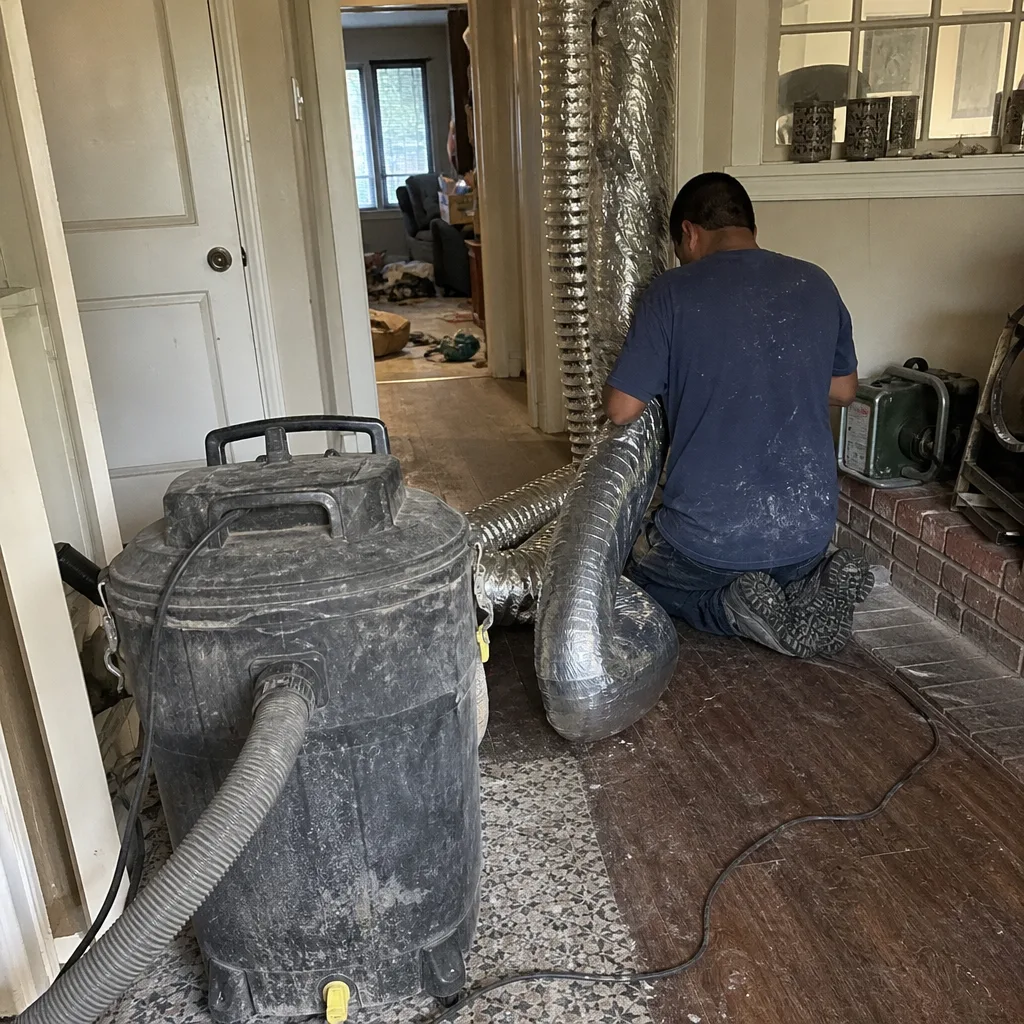 Before
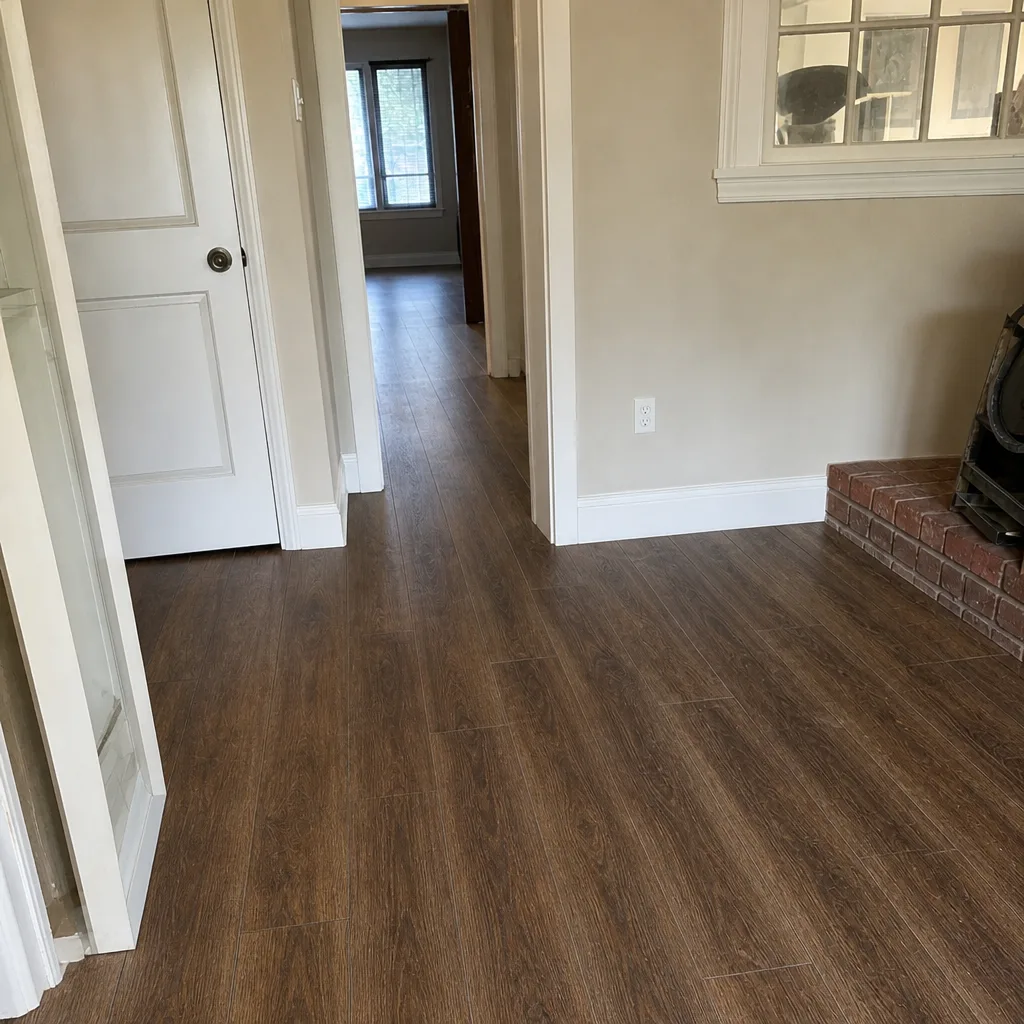 After
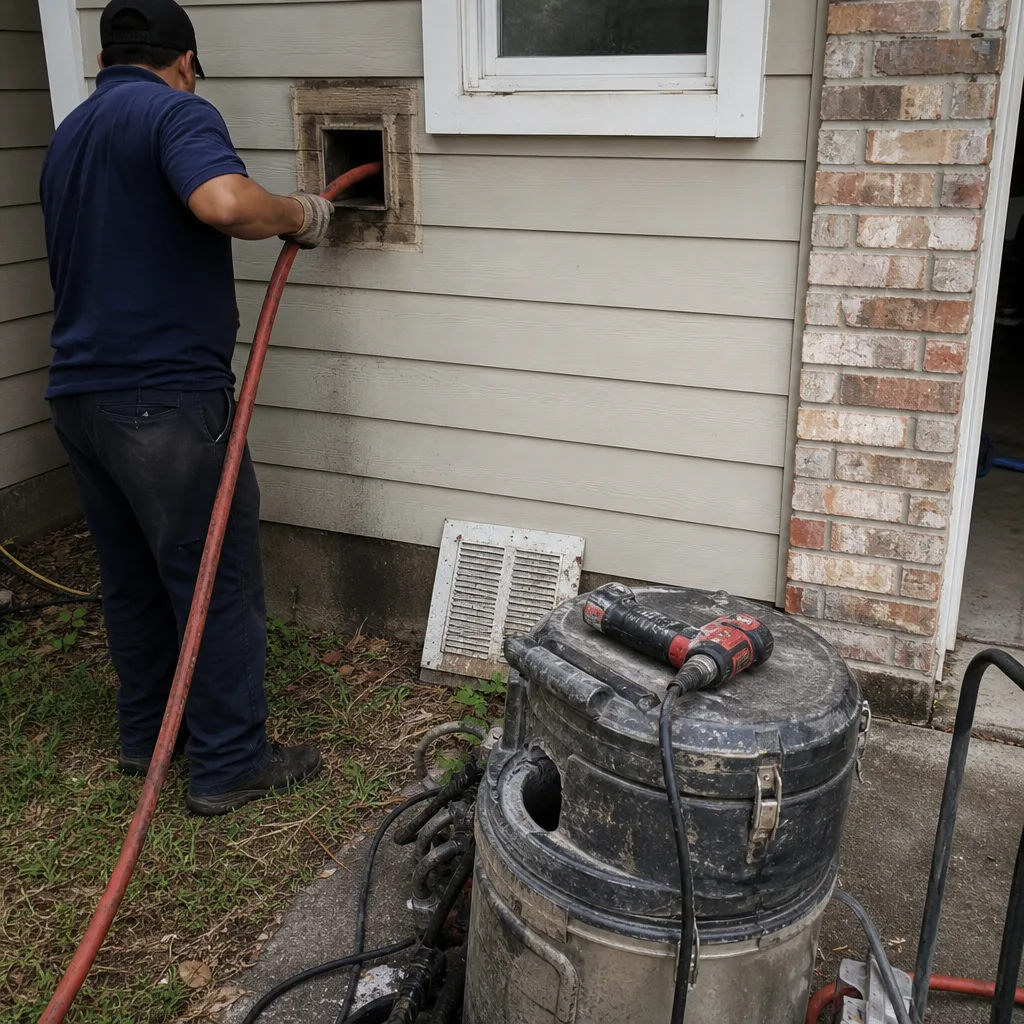 Before
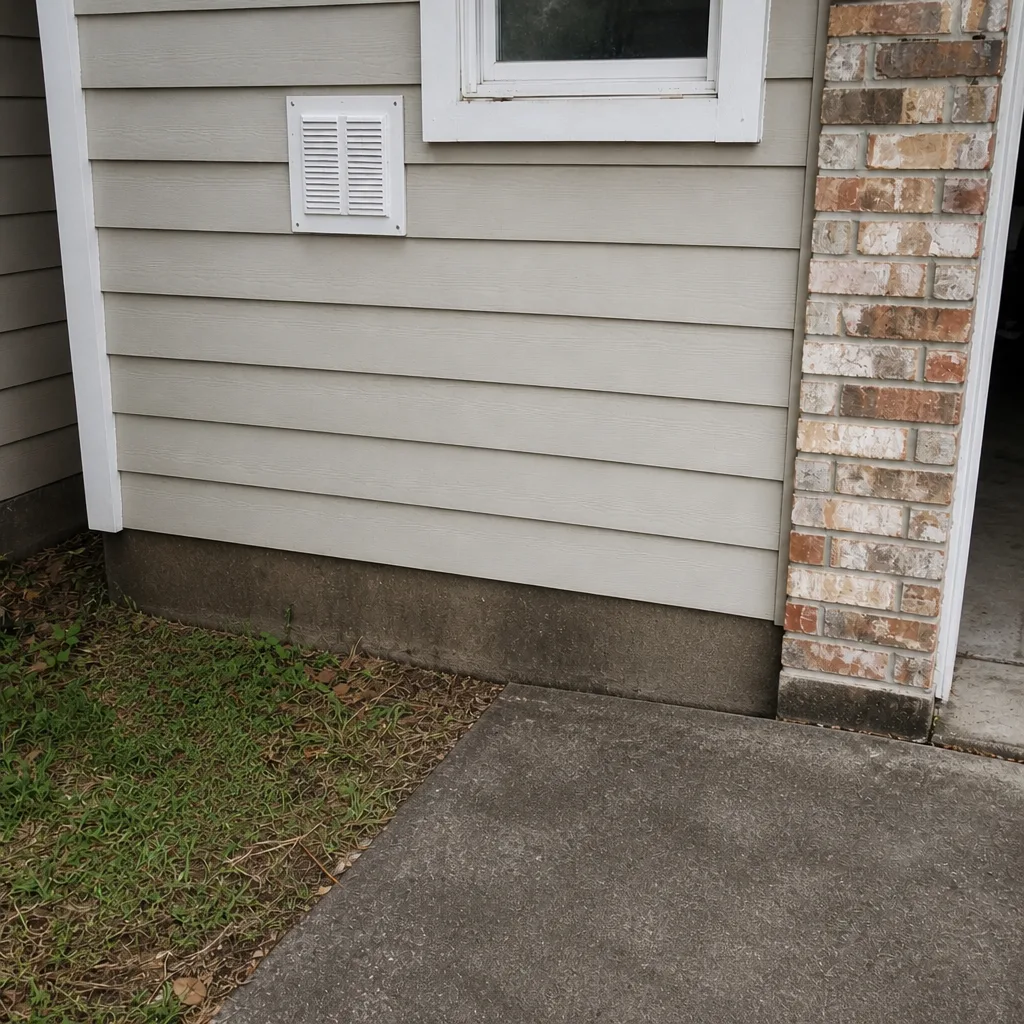 After
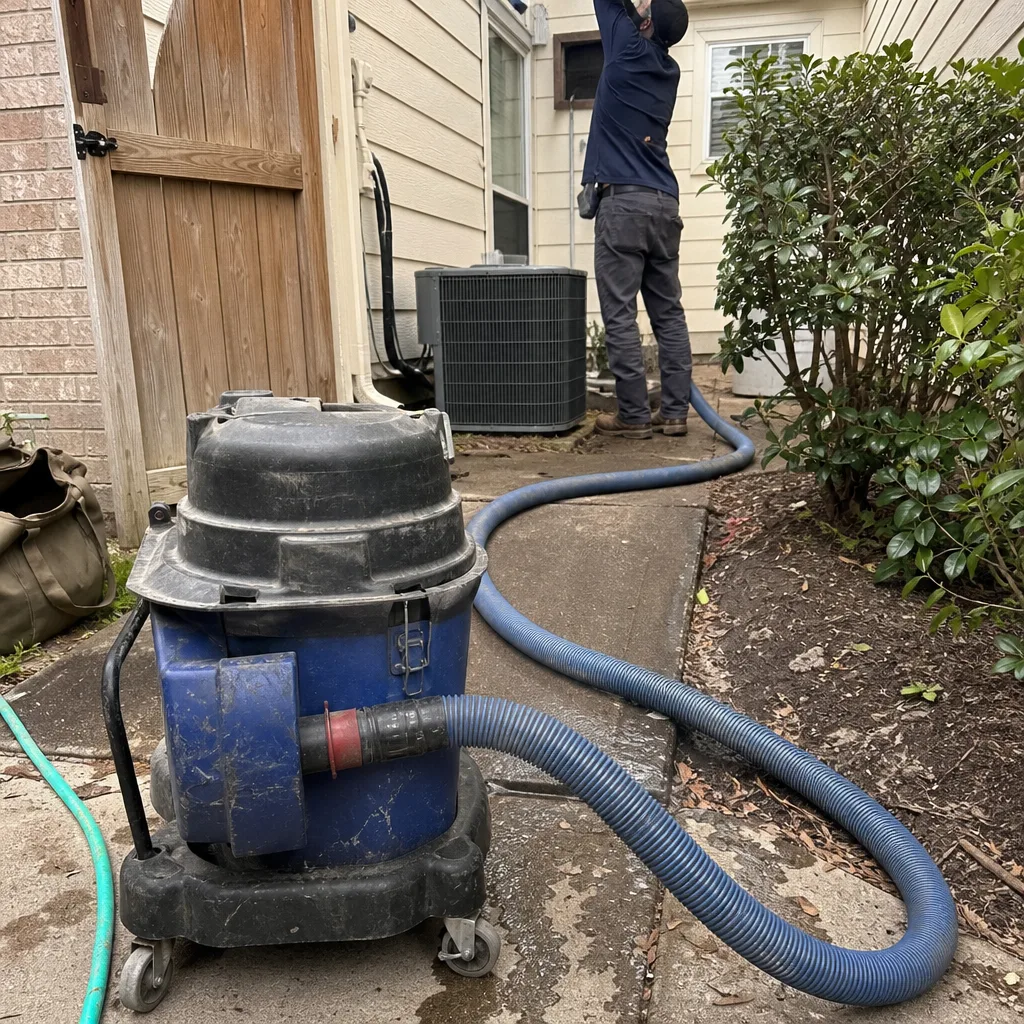 Before
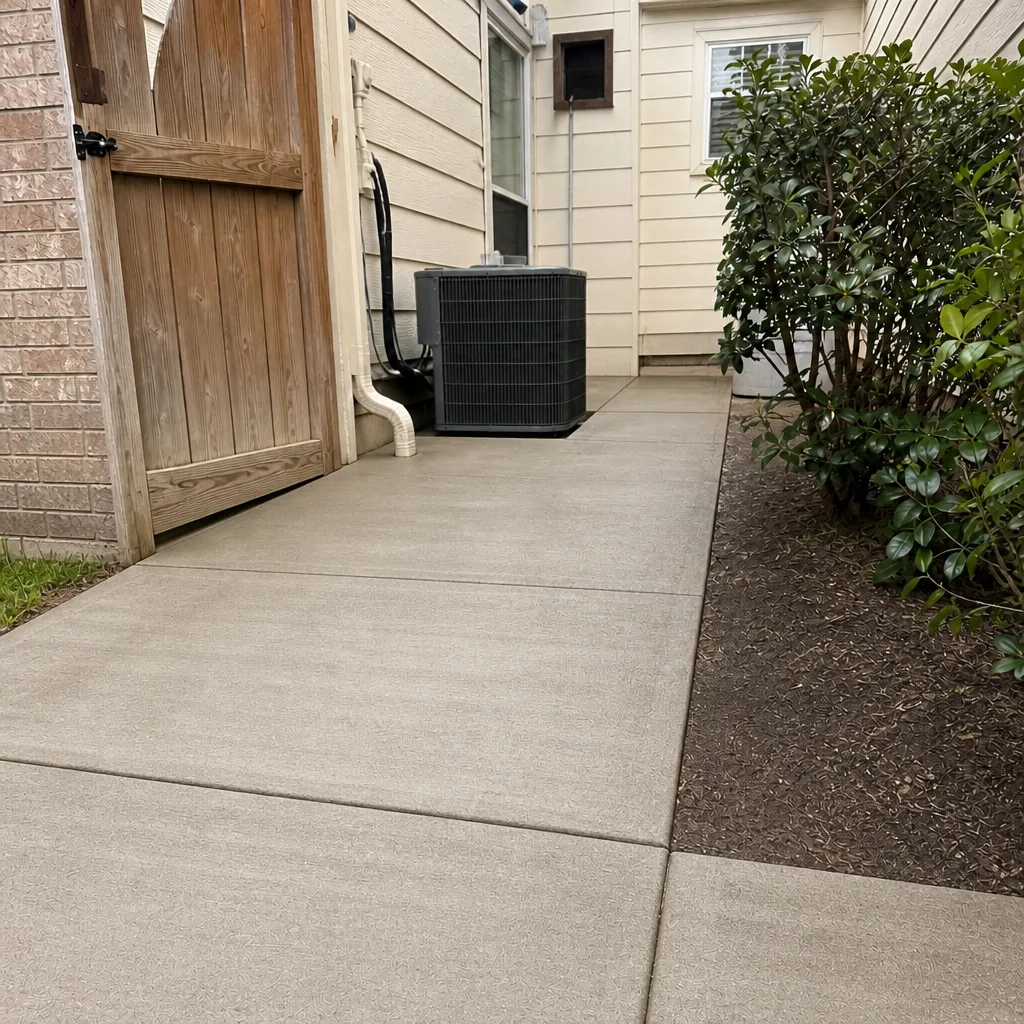 After
When to Call a Professional
Call a professional if water entered the ductwork or the air handler, if there’s a musty odor coming from any register, if you can see visible growth inside the boot or plenum, or if the system has been sitting without power in humid weather long enough that condensation was likely. Also call if you’re filing an insurance claim and need documented condition reporting; getting that right the first time saves a second inspection later. And call if the dryer vent is more than a year out from its last cleaning, especially after storm season.
Duct Cleaning Conroe offers free estimates in Conroe. We use Rotobrush contact-cleaning equipment on every air duct job, we bring Nikro and Abatement Technologies equipment for remediation-level vacuum and containment, and we handle air duct cleaning, dryer vent cleaning, and Conroe air duct repair under one scope. Call (844) 761-5350. We answer 24/7. Fast dispatch from 7am to 7pm, Sunday through Friday.
Frequently Asked Questions
Not always, but you need an inspection to know. If water entered the ducts or the air handler was under water, air duct cleaning is the minimum response and remediation may be required. If no water entered the ductwork and humidity stayed below the threshold that causes condensation, a standard cleaning and filter change after the storm is usually enough. Call (844) 761-5350 for a free estimate and an honest assessment.
Mold can start establishing on damp organic material inside ductwork in a few days when humidity and warmth are both present, which is common in Conroe after a summer storm. The exact timeline depends on how much water entered, how long the humidity stayed high, and how much debris was already in the system. Two days without air conditioning in humid weather is long enough to justify an inspection.
Coverage depends on your specific policy and the cause of the damage. Water intrusion from a covered peril is generally treated differently from long-term humidity damage, so documentation connecting the storm to the duct condition is essential. Photograph everything before and after, record moisture readings, and have a technician provide a written condition report before work begins. Call (844) 761-5350 if you need documentation and we’ll walk through what we can provide.
No, not until an inspection has confirmed there’s no standing water or visible growth. Running the blower pressurizes the entire duct system and atomizes moisture into the supply air, spreading it through the living space. If the system never lost power, never took on water, and shows no moisture, running it is fine. If any of those conditions aren’t met, get the inspection first, then run the system.
Cleaning removes settled debris from dry, intact ductwork. Remediation removes or replaces porous material that has been saturated or has visible growth, encapsulates the surfaces that remain, and uses containment equipment to control the work area. The deciding factor is contamination level, not a preference. Call (844) 761-5350 for a free estimate and we’ll tell you which side of that line your system is on.
Most dryer vents need cleaning at least once a year, and more often in a household with heavy laundry volume or a long vent run. After storm season is a good time to check it because exterior vents can be damaged or clogged by debris. Dryer vents are a leading cause of residential fires, and the risk climbs with lint buildup. Call (844) 761-5350 for a dryer vent cleaning estimate; it’s a small job with an oversized safety value.
The Bottom Line
The duct system is the part of your house that recovers slowest after a storm and shows the least, which is why it needs an explicit plan. Don’t restart the HVAC system until the ducts have been checked for moisture and visible growth. Document before you touch anything so an insurance claim has evidence to work with. Understand that cleaning and remediation are different responses to different contamination levels, and choose the right one based on what the inspection finds. Prepare before the storm with photos, a filter, and a closed-register checklist. And don’t forget the dryer vent. Contact Duct Cleaning Conroe at (844) 761-5350 for a free estimate. We answer 24/7. Fast dispatch from 7am to 7pm, Sunday through Friday. Our technicians have up to 14 years of experience, and we handle cleaning, repair, and dryer vent service as one full duct-system scope.
Written by the team at Duct Cleaning Conroe.